
Collaborative Divorce in Virginia Beach and Hampton Roads
Updated: Oct 19

Collaborative divorce in Virginia is a voluntary process in which each spouse has a lawyer and both spouses sign an agreement to try to resolve specified issues through that process. It can provide a structured way to negotiate property, support and parenting arrangements. Before choosing it, understand one important commitment: if the matter moves into contested litigation, you will generally need a different lawyer.
For someone considering divorce in Virginia Beach or elsewhere in Hampton Roads, the practical question is whether this process fits the family's circumstances. Will both spouses provide reliable information? Can each participate safely? What happens if negotiations stop? The answers matter as much as the wish to reach an agreement.
What makes a divorce formally collaborative
Virginia's Uniform Collaborative Law Act gives “collaborative” a specific meaning. An amicable conversation or an exchange of settlement proposals does not, by itself, create the statutory process.
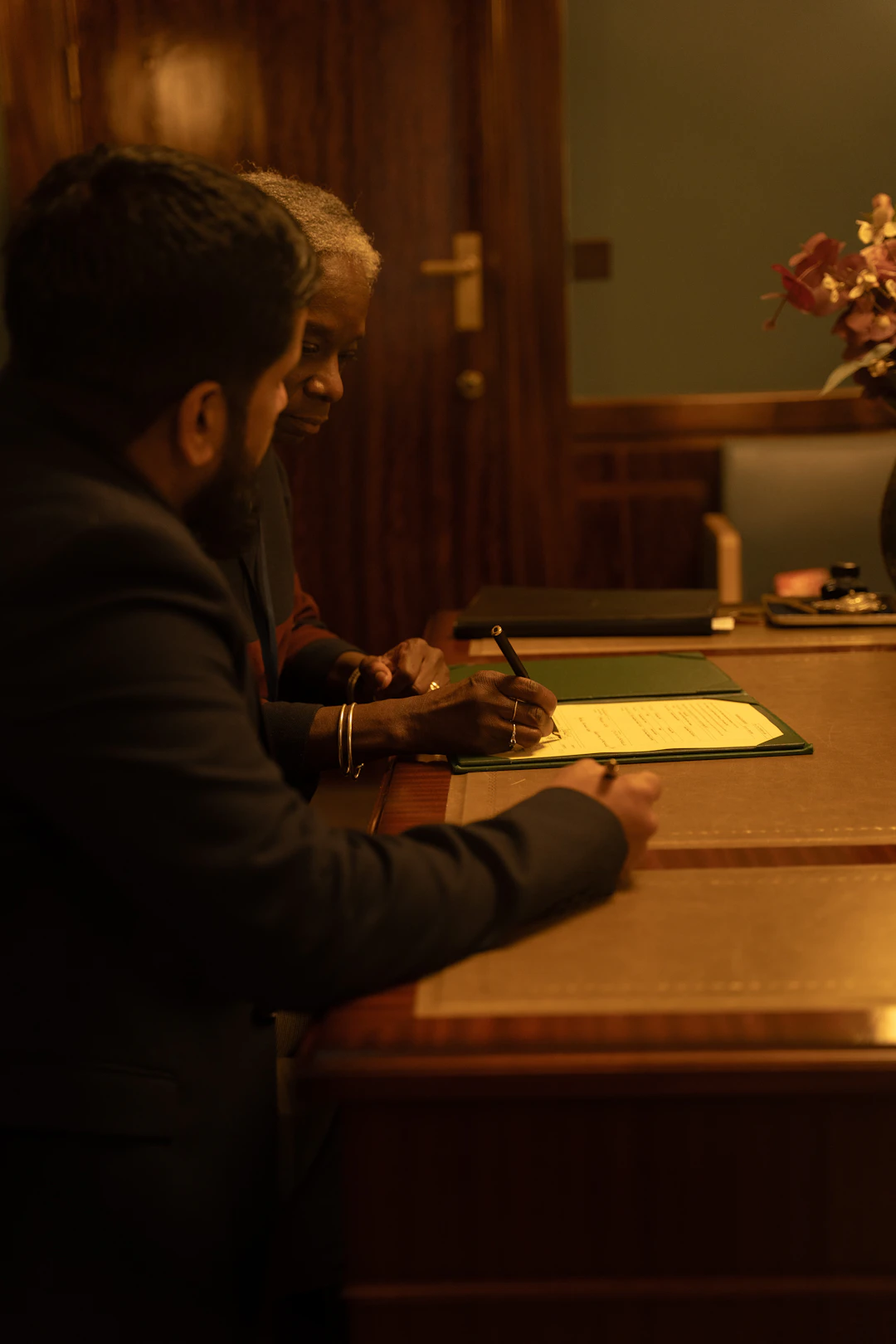
Under Virginia Code § 20-170, the participation agreement must be in a record, signed by the parties, state their intention to use the collaborative process, and describe the nature and scope of the matter. It identifies each party's collaborative lawyer and includes each lawyer's confirmation of representation, which may be in a separate writing.
Read the scope carefully. Does the proposed process cover the entire divorce settlement or only particular issues? Ask how unresolved matters, existing orders and approaching deadlines will be handled before signing.
How it differs from mediation and ordinary negotiation
In mediation, a neutral mediator helps the parties communicate and seek their own resolution. The mediator does not decide the dispute or impose a solution. The Virginia Court System's mediation overview explains that role.
In formal collaborative law, each spouse has a lawyer representing that spouse in the process, and the participation agreement brings specific statutory obligations. Ordinary settlement negotiations can also resolve divorce issues, but cooperating does not automatically place the lawyers and spouses in the statutory collaborative process.
A useful first question is, “Are we discussing mediation, ordinary attorney-led negotiations, or a collaborative law participation agreement?” Ask the lawyer to compare the risks and practical costs of the available options. Virginia law requires that assessment before a prospective client signs a collaborative participation agreement. See § 20-179.
The lawyer change you should understand first
Under § 20-175, a collaborative lawyer generally cannot represent a party before a tribunal in a proceeding related to the collaborative matter. The restriction generally extends to other lawyers in the same firm. If collaboration ends and a contested case follows, changing lawyers can add expense and time.
There are limited statutory exceptions, including asking the court to incorporate or implement an agreement reached through collaboration and certain emergency representation when a successor lawyer is not immediately available. Ask how those exceptions apply to your situation rather than assuming the same lawyer can handle every next step.
Honest disclosure and safe participation matter
A workable discussion requires dependable information about income, assets, debts and the issues being negotiated. Under § 20-177, a party generally must respond to another party's request with timely, full, candid and informal disclosure of relevant information, and promptly update information that has materially changed. The parties may define the scope of disclosure.
Tell your lawyer if you believe important records are missing or inaccurate. Ask what happens when information cannot be verified and whether another process would better address that problem. Do not sign a financial settlement just to keep negotiations moving.
Safety also requires a separate conversation. § 20-180 requires inquiry into a history of family abuse and continuing assessment during the process. When the lawyer reasonably believes there is such a history, the process may begin or continue only if the client requests it and the lawyer reasonably believes adequate protection is possible. Discuss threats, intimidation or pressure privately with your lawyer. Wanting to avoid a hearing should not pressure you into an unsafe process.
Parenting agreements still need legal review
Virginia's collaborative-law definition includes custody, visitation, parenting time and child support. A negotiated plan can address practical questions such as school-day exchanges, holiday dates, transportation and communication between households.
The process does not remove the legal standards governing children. Virginia courts give primary consideration to the child's best interests in custody and visitation decisions under § 20-124.2. Child support has a statutory guideline framework under § 20-108.2; a private negotiation does not make that framework irrelevant.
For a military family in Hampton Roads, identify foreseeable duty schedules, deployment-related availability and possible moves early. Those circumstances can affect the questions a parenting plan needs to answer. Existing orders and military-specific protections need individualized review. Our child custody page explains the custody issues our firm handles.
Privacy has limits
Avoid assuming that everything discussed or signed in collaboration will always stay out of court. § 20-181 makes collaborative communications confidential to the extent agreed in a signed record or provided by another Virginia law. § 20-182 provides a privilege, subject to statutory limits.
Those limits matter. Information that was otherwise discoverable does not become protected simply because it was shared during collaboration. § 20-184 also excludes certain communications from privilege, including terms in a resulting agreement signed by all parties to that agreement. Ask what is protected, what may be disclosed, and what documents may need to reach the court.
Questions to ask before you agree
Use this checklist to compare the proposed process with your actual needs:
What specific issues will the participation agreement cover, and who represents each spouse?
What information must be exchanged, by when, and how will missing or disputed records be addressed?
What will each lawyer charge, will other professionals be involved, and how will their fees be allocated?
If the process ends, who will handle litigation and what additional work or expense may follow?
How will safety concerns, urgent issues, existing orders and deadlines be managed?
What will remain confidential, and which agreements or records may be used in court?
What steps will still be needed to finalize the divorce and put parenting or support terms into an appropriate order?
Collaboration may help spouses focus their negotiations, but it does not guarantee lower fees or a faster divorce. Budget for the work the case actually requires, including a possible change of lawyers.
Does an agreement finish the divorce
Signing a participation agreement starts the collaborative process; it does not dissolve the marriage. A resulting settlement also needs to be considered alongside the steps required to obtain a divorce decree. Under § 20-174, a court may incorporate an agreement resulting from collaboration into a court order.
Participation remains voluntary. § 20-171 permits a party to end the process with or without cause and prevents a court from ordering participation over a party's objection.
If you are weighing settlement options, Coastal Virginia Law offers a free consultation about divorce matters in Virginia Beach and Hampton Roads. Review our divorce representation services or call 888-402-7117 to discuss your circumstances and questions.
General information only, not legal advice. Reading this article or contacting the firm does not create an attorney-client relationship. The appropriate approach depends on the facts, governing law and any existing orders.


Comments