
Will I Have to Pay Spousal Support in a Divorce? Virginia's Rules Explained
- brookthibault
- Nov 21, 2025
- 5 min read
If you're facing divorce in Virginia, the question of spousal support likely weighs heavily on your mind. Will you have to write monthly checks to your ex-spouse for years to come? The answer isn't straightforward, but understanding Virginia's approach to spousal support can help you prepare for what might lie ahead.
Here's the most important thing to know upfront: spousal support is not automatic in Virginia divorces. Unlike child support, which follows specific guidelines, spousal support must be specifically requested by one party and awarded at the court's discretion. This means you won't necessarily pay support just because you're getting divorced.
When You Might Face Spousal Support Obligations
The Request Requirement
Your spouse must actually ask for spousal support during the divorce proceedings. If they don't request it, the court won't award it. This might seem obvious, but many people assume support will automatically be part of their divorce settlement.
Financial Circumstances Matter Most
Courts primarily look at whether there's a significant financial disparity between you and your spouse. You're more likely to face support obligations if:
You earn substantially more than your spouse
Your spouse has been out of the workforce for an extended period
Your spouse has limited earning capacity due to age, health, or lack of recent work experience
Your spouse needs time to become financially self-sufficient

The Adultery Factor
Virginia law includes an important caveat: if your spouse committed adultery, they may be barred from receiving spousal support entirely. However, recent legal developments have made this less of an absolute rule. Courts now have more discretion to award support even when adultery occurred, though it can still significantly impact the amount and duration.
How Virginia Courts Decide Your Support Obligations
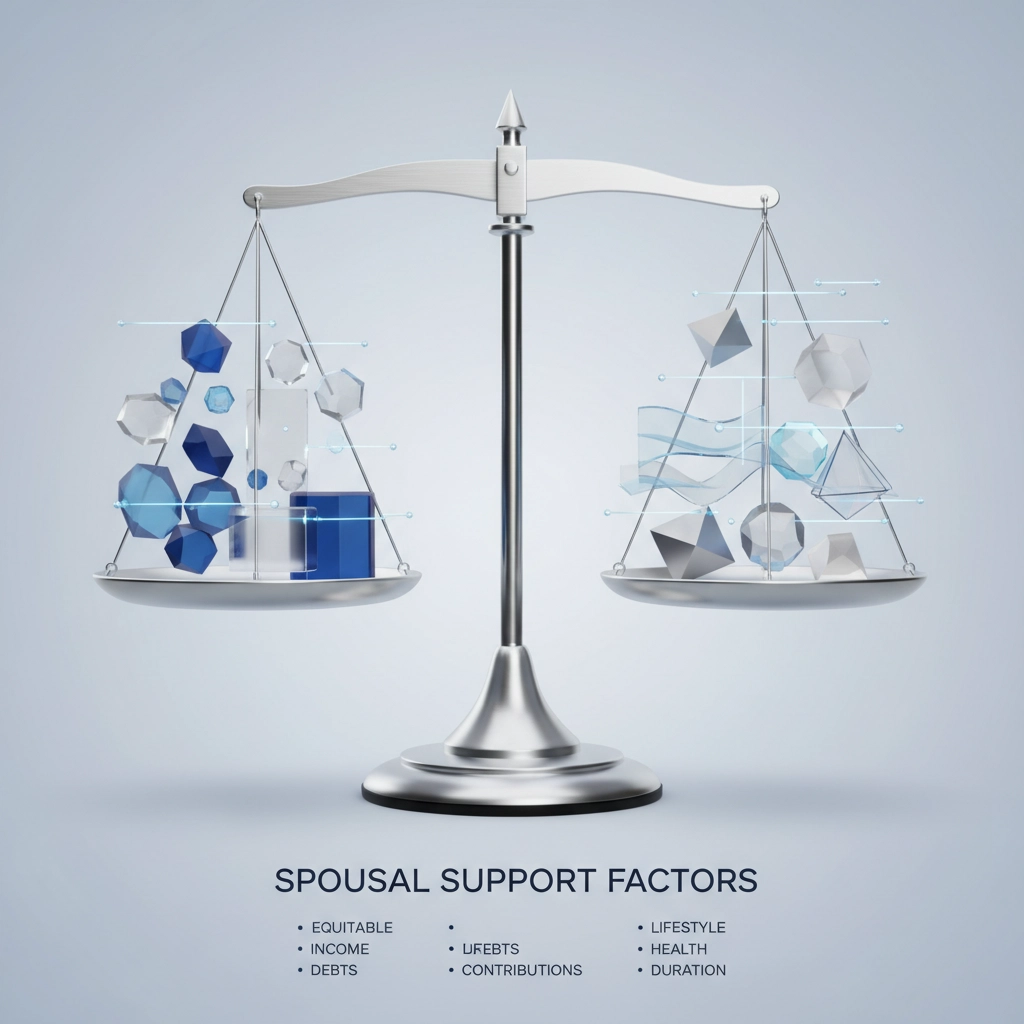
Unlike child support calculations that follow specific formulas, Virginia gives judges broad discretion in spousal support decisions. Courts consider multiple factors under Virginia Code § 20-107.1 to determine if you'll pay support and how much.
Financial Factors Courts Examine
Income and Earning Capacity Courts look at both your current income and your potential to earn money. This includes your education, skills, work experience, and employment history. If you're a surgeon earning $300,000 annually while your spouse has been a stay-at-home parent, expect this disparity to weigh heavily in the court's analysis.
Assets and Resources The court examines all financial resources available to both parties, including:
Bank accounts and investments
Retirement accounts and pensions
Real estate holdings
Business interests
Other valuable assets
Standard of Living During Marriage If you and your spouse enjoyed an affluent lifestyle during your marriage, the court may award support to help maintain that standard for the lower-earning spouse.
Non-Financial Factors That Matter
Length of Your Marriage Generally, longer marriages increase the likelihood of spousal support awards. A 20-year marriage will likely result in different support considerations than a 3-year marriage.
Age and Health Considerations If your spouse is older or has health issues that limit their ability to work, courts are more likely to award support and for longer durations.
Contributions to the Marriage Courts recognize both monetary and non-monetary contributions. If your spouse supported your career advancement, managed the household, or raised children while you built your professional success, these contributions factor into support decisions.
Types of Spousal Support You Might Pay
Virginia courts can structure support awards in several ways, and understanding these options helps you prepare for potential outcomes.
Periodic Ongoing Support
This involves regular monthly payments that continue indefinitely until specific circumstances change (like your spouse's remarriage or death). This type is most common in longer marriages where the receiving spouse is unlikely to become fully self-supporting.
Periodic Limited-Duration Support
These are regular payments for a predetermined period, such as five years. Courts often use this approach when they believe the receiving spouse needs time to gain education, training, or work experience to become self-sufficient.
Lump Sum Support
Instead of monthly payments, the court might order a one-time payment. This approach provides certainty for both parties and eliminates ongoing financial entanglement.
Temporary Support During Divorce
Courts can also award "pendente lite" support: temporary support while your divorce is pending. This ensures your spouse has financial resources during the often lengthy divorce process.
Duration Guidelines and the "50% Rule"
While Virginia doesn't have strict formulas for support duration, family law practitioners often reference a "rule of thumb" that support lasts approximately 50% of the marriage's length. For example, if you were married for 10 years, support might last around 5 years.
However, this is just a guideline, not a legal requirement. Courts retain full discretion based on your specific circumstances. Some factors that might extend or shorten this timeframe include:
The receiving spouse's realistic ability to become self-supporting
Health issues or disabilities
Age at the time of divorce
Career interruptions during marriage
When Support Obligations Can Change
Your spousal support obligation isn't necessarily permanent. Virginia law allows for modifications when there's a "material change in circumstances."
Common Reasons for Modification
Income Changes If you lose your job, take a significant pay cut, or conversely, if your income increases substantially, courts can adjust support accordingly.
Cohabitation If your ex-spouse begins living with a romantic partner in a relationship resembling marriage for one year or more, you can petition to terminate support.
Retirement Reaching retirement age and reducing income can be grounds for reducing or terminating support obligations.
Changes in the Receiving Spouse's Situation If your ex-spouse gets a well-paying job, inherits money, or experiences other positive financial changes, support might be reduced or eliminated.

The Agreement Exception
Be aware that your ability to modify support depends heavily on any agreements you and your spouse sign. If you have a written agreement about spousal support:
Agreements signed before July 1, 2018, are generally not modifiable unless they specifically allow modification
Agreements signed after July 1, 2018, can be modified unless they explicitly state support is non-modifiable
Protecting Your Interests: What You Can Do Now
Understanding these rules empowers you to take strategic steps that might minimize your support obligations or help you negotiate better terms.
Document Your Financial Reality
Start gathering comprehensive financial documentation now. This includes:
Tax returns from recent years
Pay stubs and employment records
Bank statements and investment accounts
Documentation of any business interests
Records of expenses and lifestyle costs
Evaluate Your Spouse's Situation
Consider your spouse's realistic earning potential. Factors like education level, work history, age, and health all influence their ability to become self-supporting, which directly impacts potential support awards.
Consider Settlement Negotiations
Many couples find negotiating support terms outside of court leads to better outcomes for both parties. You might agree to pay support for a shorter duration in exchange for keeping certain assets, or structure payments in ways that work better for your specific situation.
Common Misconceptions About Virginia Spousal Support
"I'll Have to Pay Forever"
Many people fear permanent support obligations, but this isn't always the case. Courts increasingly favor limited-duration support that gives the receiving spouse time to become self-sufficient rather than creating permanent dependency.
"My Spouse's Adultery Means No Support"
While adultery can bar spousal support, it's not an automatic disqualifier anymore. Courts have more discretion to consider all circumstances when making support decisions.
"High Income Always Means High Support"
Your income level matters, but it's not the only factor. If your spouse also has substantial earning capacity or resources, support amounts might be lower than expected.
Moving Forward With Confidence
Facing potential spousal support obligations feels overwhelming, but understanding Virginia's approach helps you make informed decisions. Remember that every case is unique, and courts have significant discretion in making these determinations.
The key is being proactive about understanding your situation and working with experienced legal counsel who can help you navigate Virginia's spousal support landscape effectively. Whether you end up paying support, receiving it, or avoiding it entirely depends on your specific circumstances and how well you prepare for the process ahead.
By understanding these rules and factors, you're better positioned to advocate for your interests and reach an outcome that allows you to move forward with your financial future intact.


Comments