
What to Do If You're Hit by a Distracted Driver in Virginia: A Car Accident Lawyer's Guide
Getting hit by a distracted driver can turn your world upside down in an instant. If you're dealing with injuries, vehicle damage, and mounting medical bills after being struck by someone who was texting and driving, you're not alone. Virginia sees thousands of distracted driving accidents each year, and knowing your rights and next steps can make all the difference in your recovery: both physically and financially.
Your First Priority: Safety and Documentation at the Scene
The moments immediately following your accident are crucial for both your safety and your future legal case. Here's exactly what you need to do:
Call 911 immediately, even if the accident seems minor. You need an official police report, and some injuries don't show symptoms right away. If possible, move your vehicle to the side of the road, but never leave the accident scene: doing so could result in hit-and-run charges against you.
Pay close attention to the other driver's behavior and statements. This is critical. Are they holding a phone? Do they seem flustered about missing a call or text? Listen carefully to what they say in those first few minutes. Comments like "I'm so sorry, I was just checking my phone for a second" or "I didn't see you coming: I was distracted" are legally significant admissions that can strengthen your case.
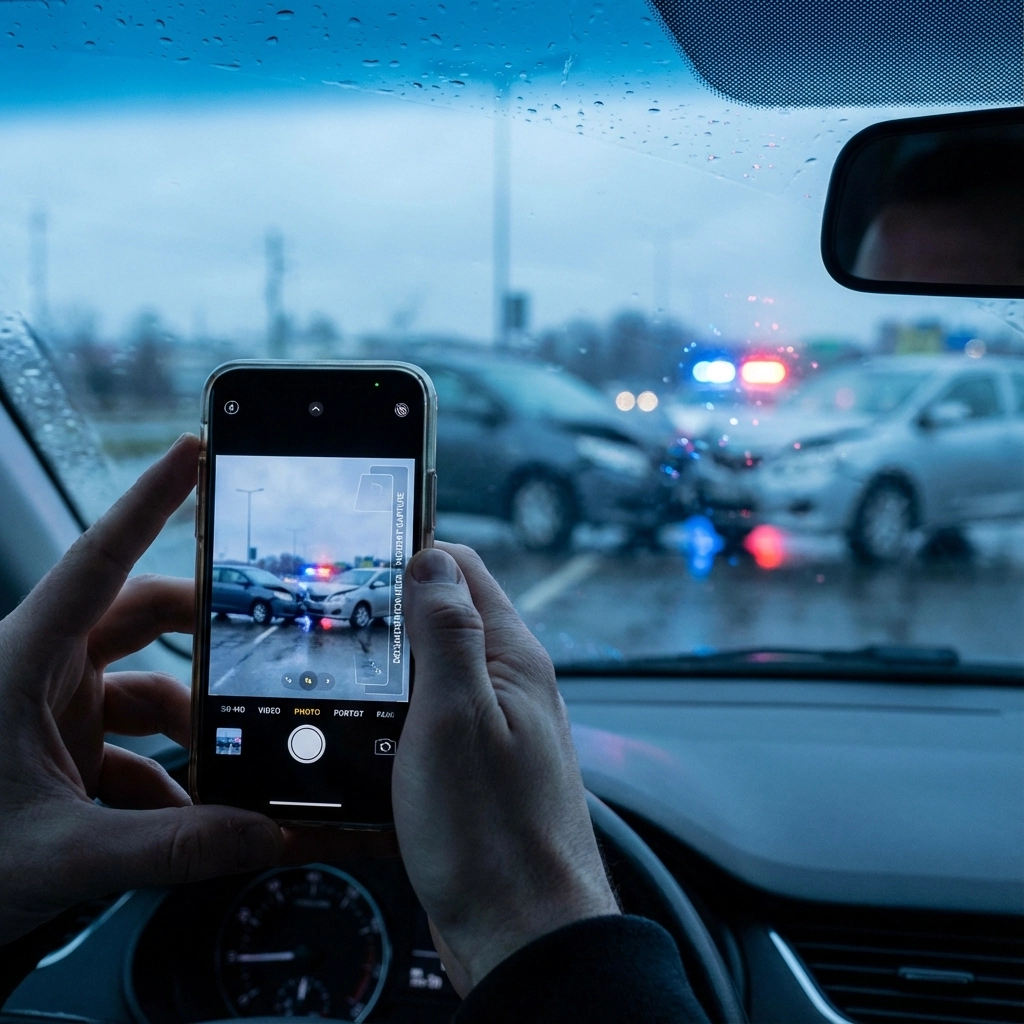
Document everything thoroughly. Use your phone to take photos and videos of:
All vehicle damage from multiple angles
Your visible injuries
The accident scene, including road conditions and traffic signals
The other driver's license plate and insurance information
Any evidence of phone use (if the phone is visible in their vehicle)
Get witness information. If other people saw the accident, collect their names and phone numbers. Independent witnesses who observed the other driver using their phone before the crash provide powerful testimony.
Understanding Virginia's Hands-Free Driving Laws
Virginia takes distracted driving seriously, and the law is on your side. Under Virginia's Hands-Free Law, it's illegal to hold any handheld personal communication device while driving. This means the other driver broke the law if they were:
Talking on a handheld phone
Texting, emailing, or using social media
Reading messages or caller ID
Dialing numbers or scrolling through contacts
Holding their device for any reason while the vehicle was moving
The law includes very limited exceptions: only for emergency responders on duty, drivers who are legally parked, or drivers reporting emergencies. Distracted driving is classified as a primary offense in Virginia, meaning police can pull someone over solely for suspected phone use.
This legal framework works in your favor because violating the Hands-Free Law automatically establishes that the other driver was negligent: a key element you need to prove for compensation.
How to Prove the Other Driver Was Distracted
Establishing that distraction caused your accident requires evidence, and there are several ways your car accident attorney can build this proof:
Cell Phone Records: These provide the most concrete evidence. Your lawyer can subpoena the other driver's phone records to show calls, texts, or data usage at the exact time of your crash. This creates an undeniable timeline of distraction.
Traffic Citations: If the responding officer cited the other driver for violating Virginia's Hands-Free Law, this citation serves as official recognition that they were driving distracted and negligently.
Witness Testimony: Passengers in the other vehicle or bystanders who saw the driver using their phone before impact provide crucial independent verification.
The Driver's Own Statements: Those immediate post-accident admissions we mentioned earlier? They're called "excited utterances" and are admissible in court because they're considered spontaneous and honest reactions.
Accident Reconstruction: In complex cases, experts can analyze skid marks, impact patterns, and vehicle damage to determine if the other driver failed to brake or take evasive action: strong indicators of distraction.

What Compensation Can You Recover?
When a distracted driver injures you, Virginia law allows you to seek compensation for multiple categories of losses:
Medical Expenses: This includes all your healthcare costs: emergency room visits, surgery, medication, physical therapy, ongoing treatment, and any future medical care related to your injuries.
Lost Income: You can recover wages you've already lost due to missed work, plus future earning capacity if your injuries affect your ability to work long-term.
Pain and Suffering: Virginia recognizes that accidents cause more than just financial losses. You can seek compensation for physical pain, emotional distress, anxiety, and reduced quality of life.
Property Damage: Repair or replacement costs for your vehicle and any personal property damaged in the crash.
Other Losses: Depending on your situation, you might also recover costs for home modifications, assistive devices, or additional care needs.
The key to maximizing your compensation is thorough documentation of all your losses and working with an experienced attorney who understands how to value and present your case effectively.
Virginia's Legal Timeline: Why Acting Quickly Matters
You have exactly two years from your accident date to file a personal injury lawsuit in Virginia. However, waiting until the deadline approaches can seriously harm your case. Here's why immediate action is crucial:
Evidence Disappears: Cell phone records may be deleted, witnesses' memories fade, and accident scene conditions change. The sooner your lawyer begins investigating, the stronger your case becomes.
Insurance Claims Process: You must first attempt to settle with the insurance company before filing a lawsuit. This negotiation process can take months, and starting early gives you more leverage.
Medical Documentation: Seeking immediate medical attention: even if you feel okay: creates crucial medical records linking your injuries to the accident. Delayed treatment makes it harder to prove causation.
Statute of Limitations Considerations: If you discover additional injuries or complications later, having already established your case protects your rights to additional compensation.

Working with Virginia's Insurance Companies
Dealing with insurance companies after a distracted driving accident requires strategy. The other driver's insurance company will likely contact you quickly, sometimes within hours of your accident. Remember these important points:
You're not required to give a recorded statement immediately. While you should report the accident, you can say you're still receiving medical treatment and will provide a detailed statement through your attorney.
Don't accept the first settlement offer. Insurance companies typically start with low offers, hoping you'll accept quickly before understanding the full extent of your injuries and damages.
Document all communication. Keep records of every phone call, email, and letter from insurance companies. This paper trail can be valuable if disputes arise.
When to Contact a Personal Injury Lawyer
While you're not legally required to hire an attorney, distracted driving cases often involve complex evidence gathering and aggressive insurance company tactics. Consider contacting a personal injury lawyer if:
You suffered significant injuries requiring ongoing medical treatment
The other driver's insurance company is disputing fault or offering inadequate compensation
You're dealing with lost wages or long-term disability
Multiple parties were involved in the accident
The distracted driver was also under the influence of alcohol or drugs
An experienced attorney can handle the legal complexities while you focus on your recovery, often recovering significantly more compensation than you could achieve on your own.
Moving Forward After Your Accident
Being hit by a distracted driver is traumatic, but Virginia's strong laws against distracted driving and clear legal framework for proving negligence work in your favor. By taking the right immediate steps, documenting everything thoroughly, and working with experienced legal counsel, you can hold the responsible driver accountable and secure the compensation you need to rebuild your life.
Remember, every case is unique, and this guide provides general information about Virginia law. For advice specific to your situation, consult with a qualified personal injury attorney who can evaluate your case and guide you through the legal process.
Your recovery: both physical and financial: starts with understanding your rights and taking action to protect them. Don't let a distracted driver's poor decision continue to impact your future.


Comments