
What Evidence Should You Collect After a Car Crash in Hampton Roads?
- brookthibault
- Nov 30, 2025
- 5 min read
When you're involved in a car crash in Hampton Roads, the moments immediately following the accident can feel overwhelming and chaotic. Your adrenaline is pumping, you may be dealing with injuries, and the last thing on your mind might be evidence collection. However, the evidence you gather at the scene and in the days following your crash can make the difference between a successful insurance claim and a lengthy legal battle.
Whether you're navigating the busy intersections of Virginia Beach, the tunnel systems connecting Norfolk and Portsmouth, or the highways that crisscross Newport News, understanding what evidence to collect can empower you to protect your rights and secure the compensation you deserve.
Why Evidence Collection Matters in Virginia
Virginia operates under a contributory negligence system, which means that if you're found even partially at fault for an accident, you may be barred from recovering any compensation. This makes thorough evidence collection absolutely critical to establishing the other driver's fault and protecting your claim.
The evidence you collect serves multiple purposes: it helps insurance companies determine liability, provides your attorney with the tools needed to build a strong case, and creates an objective record of what happened when memories fade and details become disputed.
Immediate Scene Documentation
Photographs and Videos: Your Most Powerful Evidence
If you're physically able to do so safely, start taking photos and videos immediately after the crash. Your smartphone camera can capture crucial evidence that might disappear within hours of the accident.
Focus on capturing both close-up shots of property damage and wide-angle pictures of the entire crash scene. Take photographs from multiple angles, including:
All vehicles involved, showing damage from every side
The exact position of vehicles before they're moved
Skid marks, debris, and any evidence of impact
Traffic signs, signals, and lane markings
The overall intersection or road layout
Any visible injuries (though be respectful when photographing others)
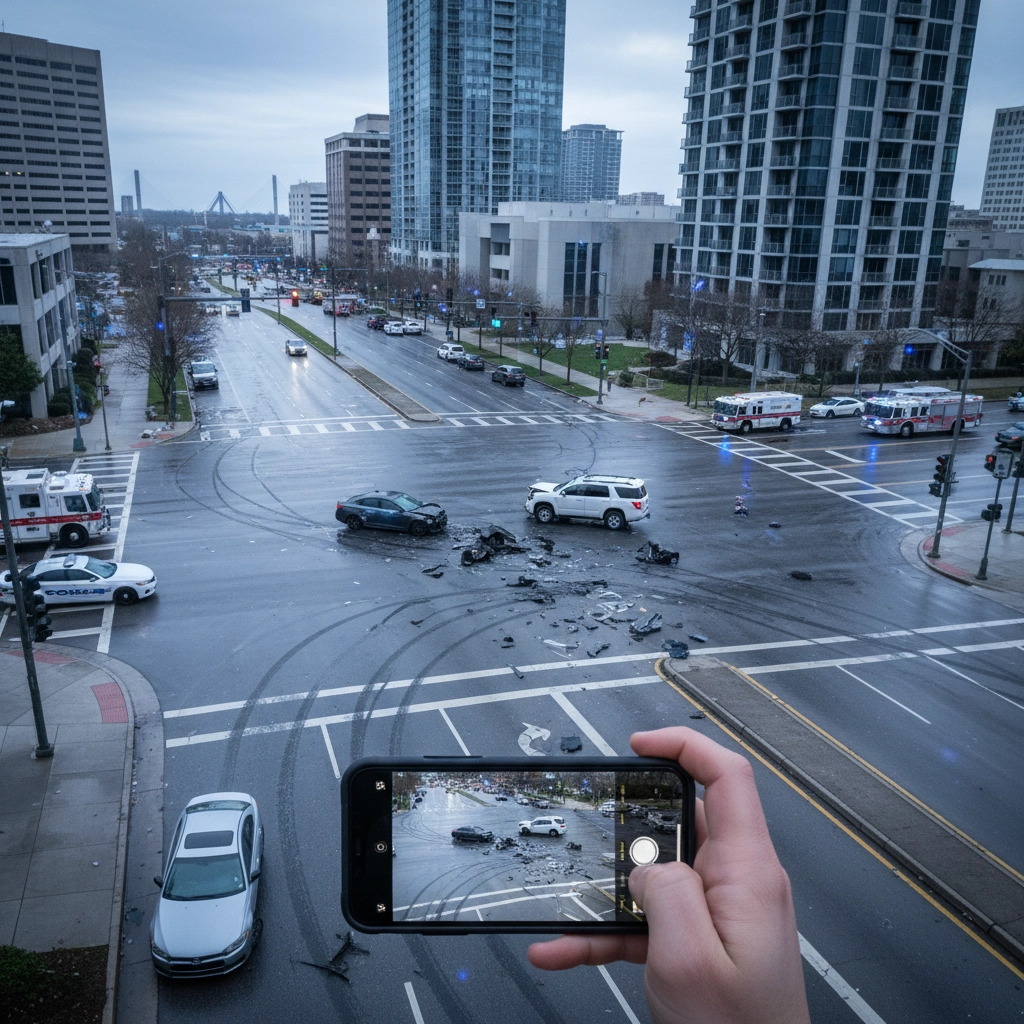
Don't forget to photograph your vehicle's interior as well, especially if airbags deployed or if there's damage that shows the force of impact. These photos can be crucial for demonstrating the severity of the collision.
Environmental and Road Conditions
Hampton Roads' unique geography and weather patterns can contribute to accidents. Document the conditions at the time of your crash:
Weather conditions (rain, fog, bright sun creating glare)
Road surface conditions (wet, icy, under construction)
Visibility factors (time of day, street lighting)
Any road hazards like potholes, debris, or construction zones
These environmental factors can play a crucial role in determining fault, especially in a contributory negligence state like Virginia.
Gathering Contact Information and Witness Statements
Essential Contact Information
Exchange information with all parties involved in the accident, including:
Full names and contact information
Insurance company names and policy numbers
Driver's license numbers
Vehicle make, model, year, and license plate numbers
Don't rely on the other driver to provide accurate information voluntarily. Politely but firmly insist on seeing their driver's license and insurance card to verify the details.
Witness Information: Your Independent Advocates
Witnesses can provide crucial third-party accounts of what happened. Collect contact information from anyone who saw the accident, including:
Pedestrians who witnessed the crash
Other drivers who saw what happened
Passengers in other vehicles
People in nearby businesses or homes
Ask witnesses if they took any photos or videos of the incident, and if they're willing to provide a brief statement about what they observed. Even a few sentences can be valuable if the case goes to court.
Property Damage Documentation
Vehicle Damage Assessment
Document all damage to every vehicle involved in the crash. Take photos that show:
External damage from multiple angles
Interior damage, including deployed airbags
Damage to lights, mirrors, and other safety equipment
Any fluid leaks or mechanical damage
Beyond Vehicle Damage
Don't overlook property damage beyond the vehicles themselves. Photograph:
Damage to guardrails, signs, or traffic signals
Landscaping or building damage
Debris scattered across the roadway
Any personal property damaged in the crash
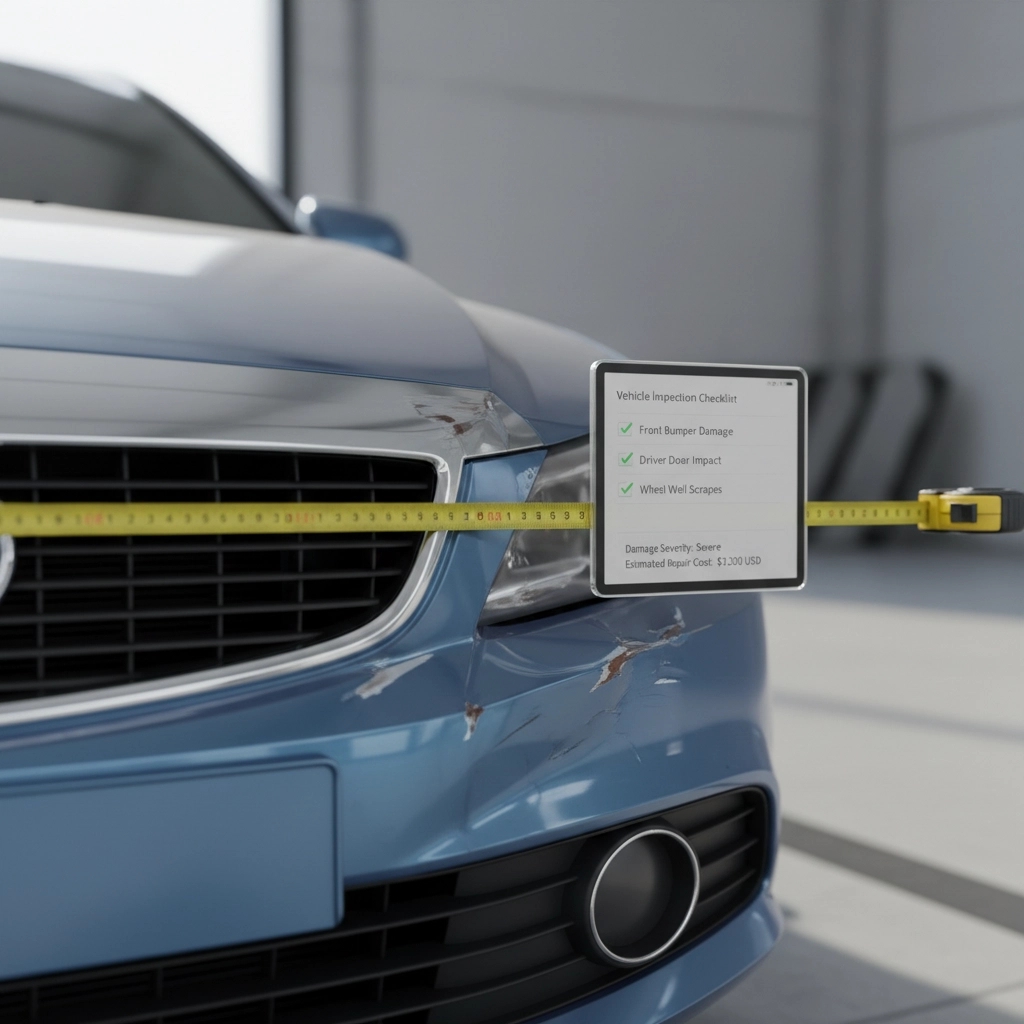
This comprehensive documentation helps establish the force and direction of impact, which can be crucial for determining fault.
Medical Documentation and Health Records
Immediate Medical Attention
Seek medical evaluation as soon as possible after the crash, even if you don't feel seriously injured. Adrenaline and shock can mask pain and symptoms that may appear hours or days later.
Maintaining Medical Records
Keep detailed records of all medical treatment related to your accident:
Emergency room visits and reports
Doctor's notes from follow-up appointments
Diagnostic test results (X-rays, MRIs, CT scans)
Physical therapy records
Prescription medication receipts
Medical bills and insurance claims
These records establish a clear link between your accident and your injuries, which is essential for your compensation claim.
Police Reports and Official Documentation
Calling Law Enforcement
Always call the police to report your accident, even if the damage seems minor. In Hampton Roads, different jurisdictions may respond depending on where your accident occurs:
Virginia Beach Police Department
Norfolk Police Department
Hampton Police Division
Newport News Police Department
Portsmouth Police Department
The responding officer will document the scene, take statements from all parties and witnesses, and create an official accident report.
Obtaining Your Police Report
Get a copy of the police report once it's available. This typically takes a few days to a week after the accident. The report will include:
The officer's assessment of what happened
Statements from drivers and witnesses
Any traffic citations issued
A diagram of the accident scene
While police reports aren't always admissible in court, they carry significant weight with insurance companies and provide an official third-party account of the incident.
Electronic Evidence and Camera Footage
Traffic and Security Cameras
Hampton Roads has numerous traffic cameras and red-light cameras throughout the region. At the accident scene, look for and photograph:
Traffic signal cameras
Security cameras on nearby businesses
ATM cameras
Residential security systems that might have captured the accident
Request this footage as quickly as possible, as many systems automatically delete recordings after 30 days or less.
Vehicle Technology Evidence
Modern vehicles contain electronic systems that may have recorded data about your crash:
Event Data Recorders (EDRs) that capture speed, braking, and steering inputs
GPS systems that show your route and speed
Smartphone data showing hands-free vs. handheld use
Dash camera footage from your vehicle or others

This electronic evidence can provide objective data about what happened in the seconds before and during your crash.
Common Evidence Collection Mistakes to Avoid
Don't Admit Fault
While you should be cooperative with police and other drivers, avoid making statements like "I'm sorry" or "I didn't see you." These can be interpreted as admissions of fault, even if that wasn't your intention.
Don't Delay Medical Treatment
Waiting too long to seek medical attention can give insurance companies ammunition to argue that your injuries weren't caused by the accident.
Don't Accept Quick Settlement Offers
Insurance adjusters may try to settle your claim quickly before you've had time to assess the full extent of your damages. Consult with a personal injury attorney before accepting any settlement offers.
Working with Legal Professionals
While you can collect evidence on your own, having an experienced personal injury attorney can significantly strengthen your case. An attorney can:
Identify evidence you might have missed
Subpoena camera footage and electronic data
Hire accident reconstruction experts
Navigate Virginia's complex contributory negligence laws
Negotiate with insurance companies on your behalf
Taking Action After Your Hampton Roads Car Crash
The evidence you collect in the hours and days following your car crash can determine the success of your insurance claim or legal case. By documenting the scene thoroughly, gathering witness information, maintaining medical records, and preserving electronic evidence, you create a strong foundation for your claim.
Remember that Virginia's contributory negligence laws make evidence collection even more critical in Hampton Roads. Every photograph, witness statement, and piece of documentation can help establish that the other driver was at fault and protect your right to compensation.
If you've been in a car crash in Hampton Roads and need guidance on building your case, consider consulting with experienced legal professionals who understand Virginia's unique legal landscape and can help you navigate the path to recovery.


Comments