
Tourist Season Car Accidents in Virginia Beach: 5 Steps to Protect Your Rights When Out-of-State Drivers Hit You
Summer in Virginia Beach brings an incredible surge of visitors – approximately 2.8 million people annually flock to our beautiful coastal city. While this tourism boom energizes our local economy, it also creates a perfect storm for car accidents. Unfamiliar drivers navigating new roads, increased traffic congestion, and the distraction of vacation excitement all contribute to a significant spike in collision rates during peak tourist season.
If you've been hit by an out-of-state driver during this busy period, you're facing unique challenges that require specific strategies to protect your rights. Unlike accidents with local drivers, dealing with out-of-state motorists involves complex insurance negotiations, jurisdictional issues, and the very real possibility that the other driver will return home before all claims are resolved.
Understanding how to respond immediately after such an accident can make the difference between receiving fair compensation and getting stuck with mounting bills. Here are five critical steps that will empower you to advocate effectively for yourself when an out-of-state driver causes your accident.
Step 1: Prioritize Safety and Immediately Contact Police
Your safety comes first, always. Move your vehicle out of traffic if possible, but don't leave the scene. Turn on your hazard lights and check yourself and any passengers for injuries. Even if injuries seem minor, adrenaline can mask pain and symptoms that become apparent later.
Call 911 immediately, regardless of how minor the accident appears. This step becomes absolutely crucial when dealing with out-of-state drivers. While you might typically handle a small fender-bender informally with a local driver, out-of-state situations require official documentation. Once the other driver returns to their home state, securing their cooperation becomes exponentially more difficult.
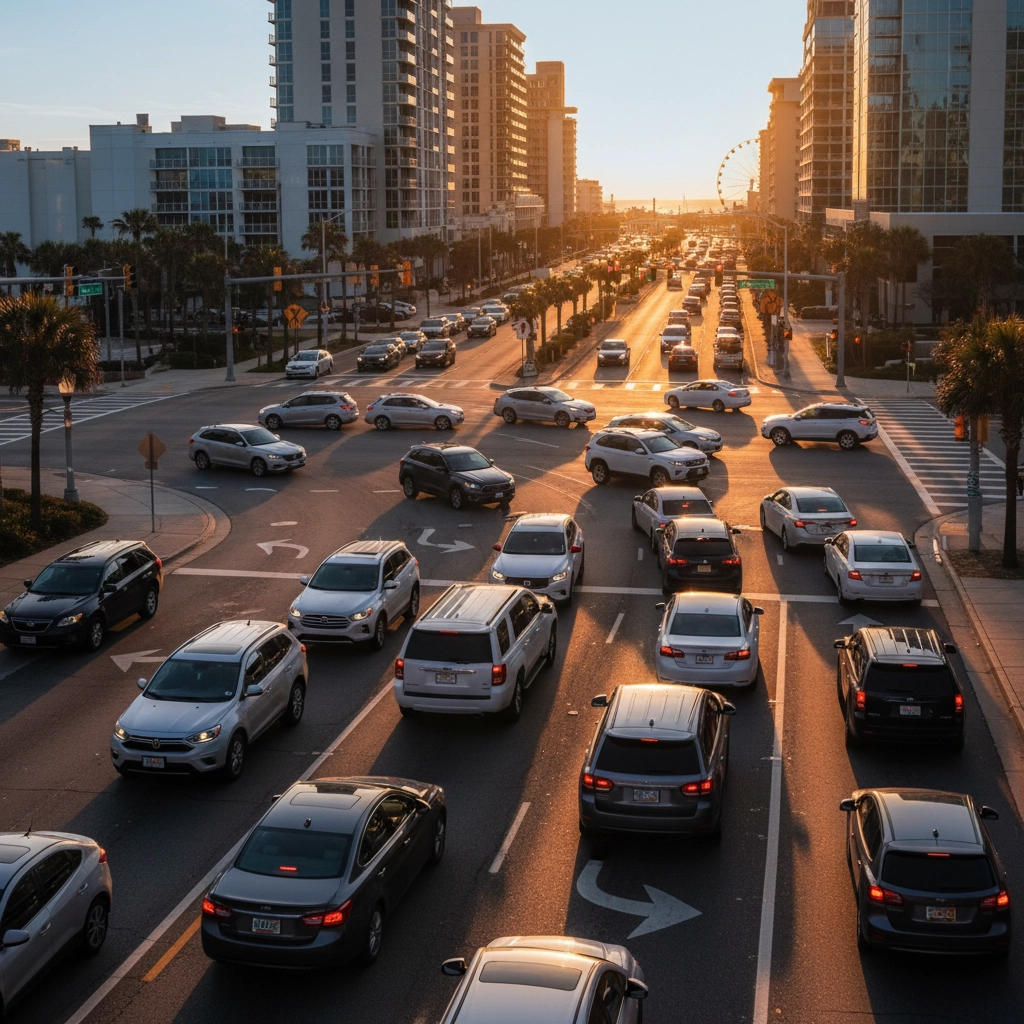
When speaking with the emergency dispatcher, clearly state that you need police response for a motor vehicle accident. Request an ambulance if anyone reports pain or discomfort – tourist-related accidents often involve rental cars with different safety features, and injuries may not be immediately apparent.
The responding officer will create an official police report, which becomes your foundational piece of evidence. This report will include crucial details like the officer's assessment of fault, traffic violations, weather conditions, and statements from all parties involved. Make sure to obtain the responding officer's name, badge number, and the police report number before leaving the scene.
Step 2: Exchange Comprehensive Information
Don't rely on basic information exchange when dealing with an out-of-state driver. You need to collect detailed information that will help you track down their insurance company and coverage details later. Start with the standard information: full name, phone number, driver's license number, and the state that issued their license.
However, go deeper than you would with a local driver. Ask for their home address, not just their local hotel. Get their insurance company name, policy number, and the phone number for claims. If they're driving a rental car, obtain the rental company information and the rental agreement number.
Take photos of their driver's license, insurance card, and vehicle registration. Don't just write down numbers – visual documentation prevents disputes later about what information was actually provided. Many out-of-state drivers will be eager to leave quickly, so be polite but persistent in gathering everything you need.
If the other driver seems reluctant to provide information or claims they don't have their insurance card, politely explain that Virginia law requires this exchange. The police officer can assist if the other party becomes uncooperative.
Step 3: Document Everything at the Scene Thoroughly
Documentation becomes your most powerful tool when dealing with insurance companies from different states. Take extensive photographs from multiple angles, capturing not just vehicle damage but also road conditions, traffic signs, skid marks, and the overall scene layout.

Photograph both vehicles' license plates, making sure the state is clearly visible. Capture the positions of both vehicles before they're moved, as this evidence helps reconstruct how the accident occurred. Take close-up shots of all damage to both vehicles, but also wider shots that show the relationship between the vehicles and surrounding landmarks.
Don't forget to document environmental factors that may have contributed to the accident. Was the sun creating glare? Were tourists blocking sight lines as they walked to the beach? Was construction affecting normal traffic patterns? These details become crucial when insurance adjusters from other states try to understand the local circumstances that led to the collision.
Use your phone to record a brief video narrative while walking around the scene. Describe what you see, mention the time of day, weather conditions, and your initial impressions of how the accident occurred. This contemporaneous account carries significant weight with insurance companies and attorneys.
Step 4: Identify and Secure Witness Information
Witnesses are invaluable in any accident, but they're particularly crucial when dealing with out-of-state drivers whose version of events may change once they return home. Tourist areas present unique challenges – witnesses may also be visitors who will leave town shortly.
Approach anyone who saw the accident and politely ask if they would provide their contact information and a brief statement about what they observed. Explain that you'd like to have their account in case there are questions later about how the accident happened.
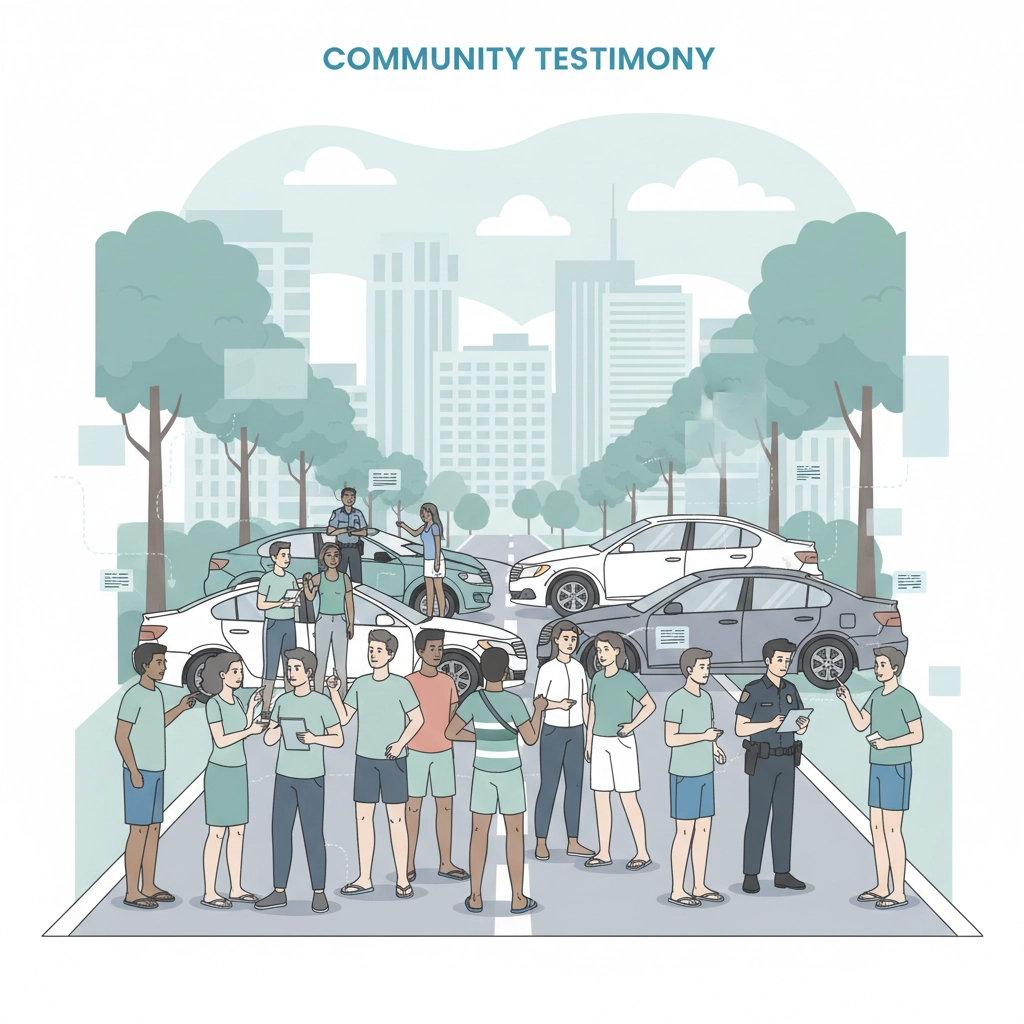
Get their full name, phone number, email address, and home address. Ask if they're local residents or visitors, and if they're visiting, when they plan to leave town. For visitors, try to get multiple contact methods since they may not be reachable at their usual numbers while traveling.
If witnesses are willing, ask them to provide a brief written statement about what they saw, or record a short video statement on your phone with their permission. Keep these statements factual – have them describe the sequence of events they observed without asking for their opinions about who was at fault.
Don't overlook less obvious witnesses. People in nearby businesses, beachgoers who heard the impact, or other drivers who saw the moments leading up to the collision can all provide valuable perspectives.
Step 5: Preserve All Records and Document Everything Moving Forward
Your documentation efforts shouldn't end at the accident scene. From the moment you leave the scene, begin maintaining detailed records of every expense, conversation, and development related to your accident.
Start by requesting a copy of the police report as soon as it becomes available – typically within a few days to a week after the accident. Review this report carefully for accuracy, and contact the investigating officer immediately if you notice any errors. Correcting mistakes becomes much harder after the report is finalized.
Keep detailed records of all medical treatment, including emergency room visits, follow-up appointments, physical therapy, and any ongoing care. Save all receipts, insurance explanations of benefits, and medical reports. If you miss work due to your injuries, document your lost wages with pay stubs and a letter from your employer.
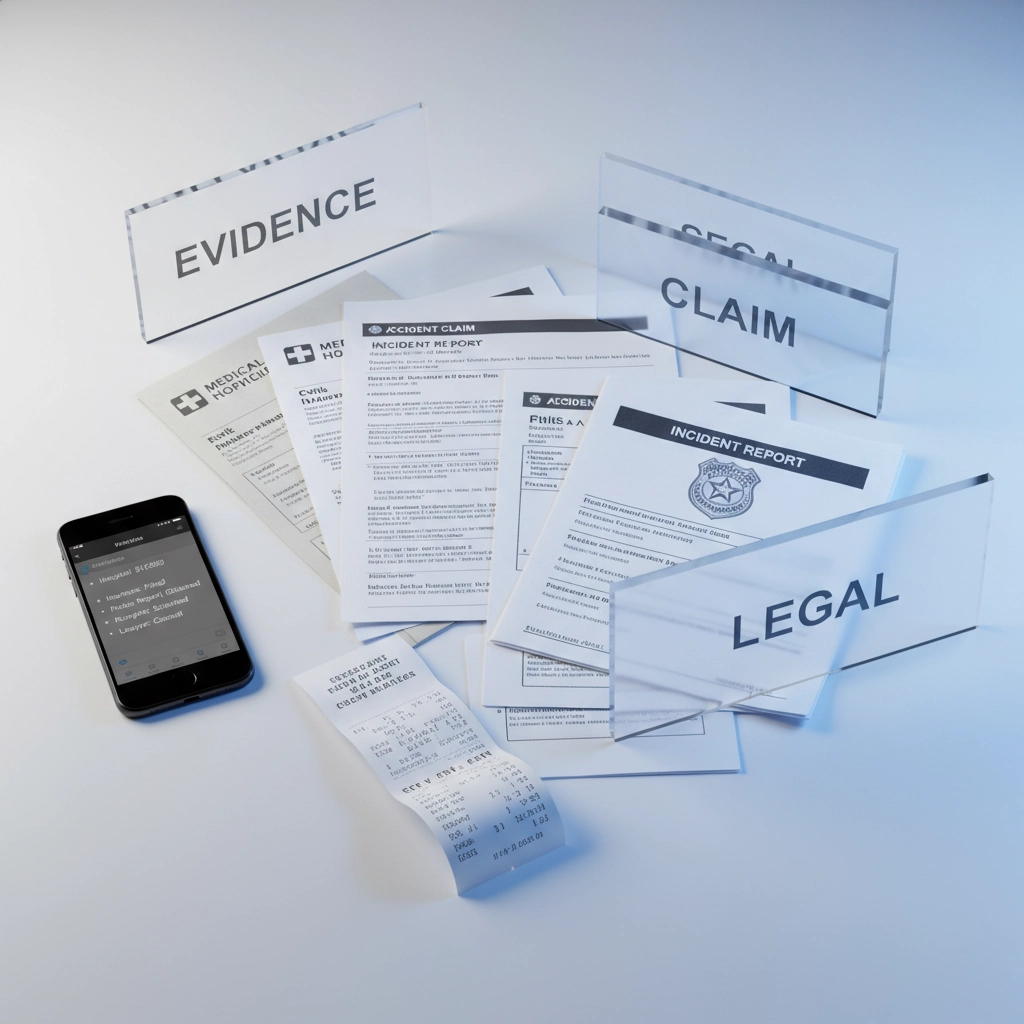
Track all accident-related expenses beyond medical bills. This includes vehicle towing and storage fees, rental car costs, replacement transportation expenses, and any personal property damaged in the accident. Keep every receipt and document every phone call with insurance companies, noting the date, time, person you spoke with, and a summary of the conversation.
Create a simple timeline documenting how your injuries and vehicle damage have affected your daily life. Note when pain levels change, when you're able to resume normal activities, and any ongoing limitations you experience. This personal account becomes powerful evidence of your damages.
Why Local Legal Representation Matters
When you're dealing with an out-of-state driver's insurance company, you're often at a significant disadvantage. Their adjusters may not understand local traffic patterns, road conditions, or Virginia-specific insurance laws. They may try to apply their home state's more restrictive coverage limits or fault determination rules to your Virginia accident.
Working with an experienced Virginia Beach personal injury attorney who understands these dynamics levels the playing field. A local attorney knows how to navigate multi-state insurance claims, can ensure that Virginia law governs your case, and has relationships with local medical providers and experts who can strengthen your claim.
Your attorney can also move quickly to preserve evidence and secure witness statements before out-of-state parties return home. They understand the unique challenges of tourist season accidents and know how to build a compelling case that maximizes your compensation regardless of where the at-fault driver's insurance company is located.
Remember, the steps you take immediately after your accident with an out-of-state driver can significantly impact your ability to recover fair compensation for your injuries and damages. By following these five essential steps, you're positioning yourself for the best possible outcome while protecting your rights throughout the claims process.
Don't let the complexity of dealing with out-of-state drivers prevent you from pursuing the compensation you deserve. With proper documentation and experienced local legal guidance, you can successfully navigate these challenging claims and focus on your recovery.


Comments