
Same-Sex Marriage Laws By State: The Complete 2025 Guide (Which States Still Restrict Rights?)
If you're wondering about same-sex marriage laws across the United States in 2025, here's the straightforward answer: same-sex marriage is legal in all 50 states and cannot be restricted by individual state governments. However, the legal landscape surrounding marriage equality is more nuanced than this simple statement suggests, and understanding these complexities can help you navigate potential challenges and protect your rights.
The Legal Foundation: How We Got Here
Same-sex marriage became a constitutional right nationwide on June 26, 2015, when the U.S. Supreme Court decided Obergefell v. Hodges. This landmark ruling struck down state bans on same-sex marriage and required all states to license and recognize same-sex unions. The decision was grounded in the Due Process Clause and Equal Protection Clause of the Fourteenth Amendment, establishing marriage equality as a fundamental constitutional principle.
Before Obergefell, the marriage equality landscape was a patchwork of state-by-state recognition, creating significant legal uncertainty for couples who moved between states or traveled for work. The Supreme Court's decision eliminated this confusion by establishing a uniform national standard.

Federal Protections: The Respect for Marriage Act
In December 2022, President Biden signed the Respect for Marriage Act into law, providing an additional federal layer of protection for same-sex marriages. This legislation requires all states and U.S. territories to recognize same-sex marriages that were legally performed in other jurisdictions, even if those states later outlaw same-sex marriage.
The Respect for Marriage Act was passed in response to growing concerns that the Supreme Court might overturn Obergefell, similar to how it overturned Roe v. Wade in 2022. While the Act doesn't guarantee the right to marry in every state, it ensures that validly performed marriages will be recognized nationwide.
States with Dormant Constitutional Restrictions
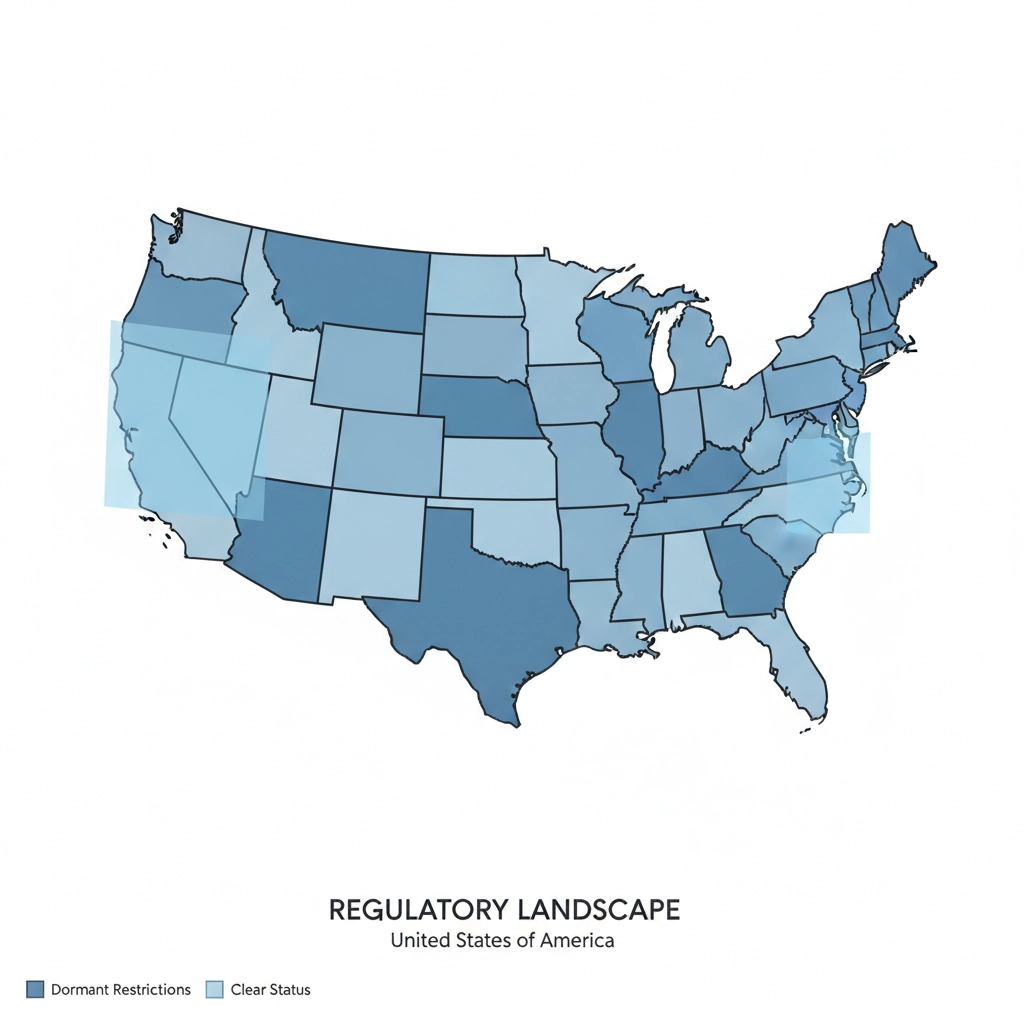
Here's where things get complicated: despite same-sex marriage being legal nationwide, many states still have constitutional bans and statutory restrictions on their books. Currently, 26 states maintain constitutional bans on same-sex marriage, and 30 states have statutory bans: all of which are unenforceable under Obergefell.
These dormant restrictions exist in states including:
Indiana
Missouri
Montana
And many others across the South, Midwest, and Mountain West regions
While these bans have no current legal effect, they represent potential "trigger laws" that could theoretically take effect if Obergefell were overturned by the Supreme Court. Think of them as legal landmines waiting to be activated under different circumstances.
2025 Legislative Challenges: New Threats Emerging
The year 2025 has brought renewed concerns about marriage equality protections. At least nine states have introduced legislation aimed at either blocking new marriage licenses for LGBTQ people or restricting same-sex marriage rights in some capacity. These legislative efforts represent a coordinated attempt to challenge federal marriage equality protections.
Additionally, there have been formal requests to the Supreme Court to overturn the Obergefell decision, creating uncertainty about the future stability of marriage equality protections. While these challenges haven't been successful yet, they highlight the ongoing political and legal tensions surrounding LGBTQ rights.
What This Means for Virginia Couples
If you're a Virginia resident, you're in a relatively secure position regarding marriage equality. Virginia doesn't have a constitutional ban on same-sex marriage, and the state has generally been supportive of LGBTQ rights in recent years. Virginia recognizes all valid marriages performed within its borders and in other states, regardless of the gender of the spouses.
For Virginia couples considering marriage or already married, here are key points to understand:
Your marriage is fully recognized under both state and federal law
You have access to all the legal benefits and protections that come with marriage
Virginia courts handle same-sex divorce proceedings with the same legal standards as different-sex divorces
Child custody and support matters are determined based on the best interests of the child, regardless of parents' sexual orientation

Practical Steps to Protect Your Rights
While same-sex marriage is currently protected nationwide, you can take several proactive steps to safeguard your relationship and legal interests:
Documentation and Legal Preparation:
Ensure your marriage certificate is properly filed and easily accessible
Update all legal documents, including wills, power of attorney forms, and healthcare directives
Review beneficiary designations on insurance policies, retirement accounts, and other financial instruments
Consider creating additional legal protections through domestic partnership agreements if available
Stay Informed About Legal Developments:
Monitor federal court cases that might affect marriage equality
Keep track of legislation in your state that could impact LGBTQ rights
Understand how changes in federal law might affect your specific situation
Consider joining advocacy organizations that track legal developments
Professional Legal Guidance:
Consult with an attorney experienced in LGBTQ family law for complex situations
Seek legal advice if you're planning to move to a state with dormant marriage bans
Get professional help with estate planning to ensure your rights are fully protected
Consider legal consultation if you're facing discrimination based on your marriage
Financial and Estate Planning Considerations
Marriage equality brings both opportunities and responsibilities. You now have access to numerous financial benefits, including:
Joint tax filing options that may reduce your overall tax burden
Social Security survivor benefits
Inheritance rights without additional legal documentation
Access to family health insurance coverage
Hospital visitation and medical decision-making rights
However, marriage also means you're subject to the same financial obligations as any married couple, including potential liability for your spouse's debts and more complex divorce proceedings if the relationship ends.

Interstate Recognition and Travel
One significant advantage of nationwide marriage equality is that your Virginia marriage will be recognized in all 50 states, regardless of local political attitudes toward LGBTQ rights. This means you can travel, work, or relocate anywhere in the United States without losing the legal protections of your marriage.
If you're planning to move to a state with dormant marriage bans, your marriage will still be recognized and protected under federal law. However, you might encounter local resistance or discrimination in some areas, making it important to research local attitudes and legal protections before relocating.
Looking Forward: Preparing for Uncertainty
While marriage equality currently enjoys strong legal protections, the political landscape can shift. The best approach is to stay informed while taking practical steps to protect your relationship and legal interests.
Consider working with legal professionals who understand both current protections and potential future challenges. They can help you navigate complex estate planning decisions, understand your rights in different states, and prepare for various scenarios that might affect your marriage's legal status.
The journey toward marriage equality has been long and sometimes difficult, but the legal protections currently in place provide a strong foundation for same-sex couples across the United States. By staying informed, prepared, and connected with appropriate legal resources, you can navigate this landscape with confidence while protecting the relationship and family you've built together.
Remember that legal landscapes evolve, and staying connected with experienced legal professionals can help you adapt to changes while maintaining the protections you need for your family's security and peace of mind.



Comments