
Same-Sex Marriage Laws by State: The Complete 2025 Guide (Which States Still Restrict Rights?)
- brookthibault
- Nov 4, 2025
- 4 min read

If you're wondering about the current state of same-sex marriage rights in 2025, here's the straightforward answer: same-sex marriage is legal and recognized in all 50 states. However, the legal landscape is more complex than this simple statement suggests, and understanding the nuances can help you navigate potential challenges and protect your rights.
The Foundation: Obergefell v. Hodges Still Stands
The 2015 Supreme Court decision in Obergefell v. Hodges remains the bedrock of marriage equality in America. This landmark ruling struck down state bans on same-sex marriage and required all states to license and recognize same-sex unions. As we move through 2025, this decision continues to provide nationwide protection for marriage equality.
Despite this federal protection, the reality on the ground varies significantly from state to state. While no state can legally deny you a marriage license or refuse to recognize your same-sex marriage, the political and social climate differs dramatically across the country.

The Complicated Reality: Dormant Bans Still Exist
Here's what many people don't realize: 26 states still have constitutional bans on same-sex marriage written into their state constitutions, and 30 states maintain statutory bans in their legal codes. These provisions are completely unenforceable thanks to Obergefell, but they remain on the books like legal fossils from a different era.
Nevada made history in November 2020 by becoming the first state to actually repeal its constitutional ban, but most states have simply left these defunct provisions in place. While these bans can't be enforced, their continued existence creates uncertainty and can contribute to discriminatory attitudes.
2025's New Challenges: Legislative Attacks on Marriage Equality
The year 2025 has brought concerning new developments. At least nine states have introduced legislation aimed at either blocking new marriage licenses for LGBTQ couples or passing resolutions urging the Supreme Court to reverse Obergefell at the earliest opportunity. These represent the most significant legislative attacks on marriage equality since the Dobbs decision in 2022 raised questions about the stability of other constitutional rights.
These legislative efforts highlight why federal protections have become more critical than ever.
Federal Safeguards: The Respect for Marriage Act
Fortunately, Congress anticipated these challenges. The Respect for Marriage Act, signed by President Biden in December 2022, provides crucial additional protections that go beyond Obergefell. This bipartisan legislation ensures that:
All states and territories must recognize same-sex marriages legally performed in any state
Federal recognition of same-sex marriages continues regardless of future Supreme Court decisions
Interracial marriages receive similar protections
Legal benefits and responsibilities flow from state to state
This Act functions as a safety net, protecting your rights even if the legal landscape shifts in the future.
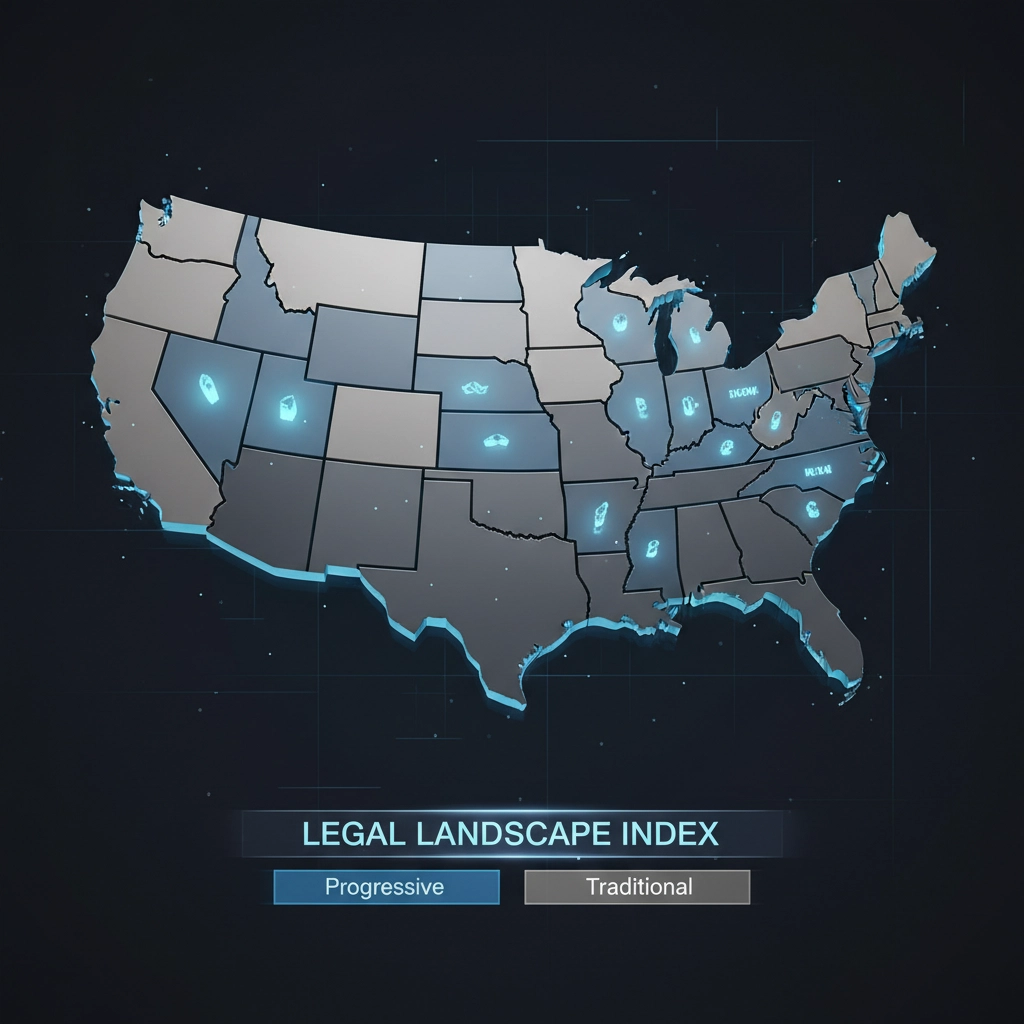
Virginia's Progressive Stance on Marriage Equality
Virginia has emerged as a leader in LGBTQ rights in the South. The Commonwealth not only complies fully with federal marriage equality requirements but has taken additional steps to protect LGBTQ individuals and families:
Legal Protections in Virginia:
Full recognition of same-sex marriages performed anywhere in the United States
Comprehensive anti-discrimination protections in employment, housing, and public accommodations
Equal adoption and parenting rights for same-sex couples
Transgender-inclusive policies in many jurisdictions
Virginia's approach demonstrates how states can go beyond mere compliance to create truly welcoming legal environments for LGBTQ families. If you're considering marriage or facing family legal issues in Virginia, you can feel confident that state law provides robust protections.
Your Rights and Practical Implications
Understanding your rights as part of a same-sex marriage in 2025 empowers you to advocate effectively for yourself and your family. Here's what you need to know:
Marriage Rights Include:
All federal benefits available to opposite-sex couples
Social Security survivor benefits
Immigration sponsorship rights
Medical decision-making authority
Property inheritance rights
Parental recognition in all states
Travel Considerations: Thanks to the Respect for Marriage Act, your marriage remains valid when you travel between states, regardless of local political climates. However, you may encounter varying levels of social acceptance and local discrimination, particularly in states with remaining constitutional bans.
When You Face Discrimination
Despite legal protections, discrimination can still occur. If you experience problems related to your marriage or family status, here are actionable steps you can take:
Document everything - Keep records of discriminatory treatment
Know your local laws - Research specific protections in your area
Contact advocacy organizations - Groups like Lambda Legal and the ACLU provide resources
Seek legal counsel - An experienced family law attorney can guide you through complex situations

Planning for the Future: Estate and Family Considerations
Same-sex couples often need additional legal documentation to ensure their relationships and families are protected. Consider these important steps:
Essential Legal Documents:
Updated wills and estate plans
Healthcare directives and powers of attorney
Adoption paperwork for non-biological children
Beneficiary updates on all accounts and policies
These documents provide extra security and ensure your wishes are honored, regardless of changing political climates.
Resources and Support
Several organizations provide ongoing support and legal resources for same-sex couples:
Human Rights Campaign - Comprehensive state-by-state legal guides
National Center for Lesbian Rights - Specialized legal advocacy
Freedom to Marry - Educational resources and legal updates
Local LGBTQ+ community centers - Often provide legal clinic referrals
Looking Ahead: Staying Informed and Protected
The legal landscape for LGBTQ rights continues evolving. Staying informed about changes in federal and state law helps you protect your family and make informed decisions. While Obergefell and the Respect for Marriage Act provide strong foundations, vigilance remains important.
Consider subscribing to updates from major LGBTQ legal organizations and maintaining relationships with knowledgeable legal professionals who understand the unique challenges facing same-sex couples.
Your Next Steps Matter
Whether you're planning to marry, facing family legal issues, or simply want to ensure your rights are protected, professional legal guidance can make all the difference. Every situation is unique, and understanding how current laws apply to your specific circumstances is crucial for making informed decisions.
Ready to protect your family's future? Contact Coastal Virginia Law today for a free consultation. Our experienced team understands the complexities of marriage equality law and can help you navigate any legal challenges you may face. From marriage planning to estate considerations, we're here to ensure your rights are protected every step of the way.
Call us today to discuss your situation and learn how we can help secure your family's legal foundation in these changing times.


Comments