
Is Same-Sex Marriage Legal in All 50 States? The 2025 Supreme Court Challenge That Could Change Everything
- brookthibault
- Apr 16
- 5 min read
If you're wondering about the current state of same-sex marriage rights in America, you're not alone. With new legal challenges emerging in 2025, many couples and families are seeking clarity about their rights and what the future might hold. The short answer is yes: same-sex marriage remains legal in all 50 states. However, the legal landscape is more complex than it appears on the surface, and understanding both your current protections and potential risks can help you navigate this evolving situation with confidence.
The Current Legal Foundation
Same-sex marriage has been legal nationwide since June 26, 2015, when the Supreme Court delivered its landmark decision in Obergefell v. Hodges. This ruling established that the right to marry is guaranteed by both the Due Process Clause and the Equal Protection Clause of the Fourteenth Amendment, making same-sex marriage bans unconstitutional across the country.
What this means for you today is straightforward: every state must issue marriage licenses to same-sex couples and recognize same-sex marriages performed in other states. Even though thirteen states technically retain statutory or constitutional bans on same-sex marriage in their state laws, these provisions are completely null and void under federal constitutional law.
The 2022 Respect for Marriage Act further strengthened these protections by requiring the federal government and all states to recognize legal same-sex marriages performed anywhere in the United States. This federal legislation provides an additional layer of security, ensuring that your marriage remains valid regardless of where you travel or relocate within the country.

Understanding the 2025 Supreme Court Challenge
The legal challenge making headlines in 2025 comes from an unexpected source: Kim Davis, the former Kentucky county clerk who gained national attention in 2015 when she was jailed for refusing to issue marriage licenses to same-sex couples. Davis has now filed a petition asking the Supreme Court to overturn the Obergefell decision entirely.
This petition represents the first formal request to the Supreme Court to reverse the marriage equality ruling since 2015. Davis argues that her First Amendment rights to religious freedom should have protected her from the legal consequences she faced: specifically, a $100,000 jury verdict for emotional damages and $260,000 in attorneys' fees.
However, legal experts widely consider this challenge a "long shot." Lower courts have consistently dismissed Davis's claims, ruling that she cannot use the First Amendment as a defense because she was acting in her capacity as a government official, not as a private citizen expressing personal religious beliefs.
The Broader Political Landscape
While the Davis petition may seem like an isolated incident, it's part of a larger conservative campaign to challenge marriage equality. As of 2025, at least nine states have either introduced legislation aimed at blocking new marriage licenses for LGBTQ couples or passed resolutions urging the Supreme Court to reverse Obergefell.
This political momentum extends beyond individual state actions. The Southern Baptist Convention, America's largest Protestant Christian denomination, voted in June 2025 to make "overturning of laws and court rulings, including Obergefell v. Hodges, that defy God's design for marriage and family" a top organizational priority.
Republican legislators in states including Idaho, Michigan, Montana, North Dakota, and South Dakota have actively supported initiatives to reverse the Obergefell ruling. Meanwhile, other states like Missouri, Oklahoma, Tennessee, and Texas have introduced bills establishing "covenant marriage" categories specifically for heterosexual couples as potential workarounds to federal marriage equality requirements.

What Would Happen If Obergefell Were Overturned?
Understanding the potential consequences of a reversed Supreme Court decision can help you better assess your situation and plan accordingly. If the Court were to overturn Obergefell, the legal landscape would shift dramatically, but not uniformly across the country.
Currently, 32 states have constitutional or legislative prohibitions against marriage equality that remain on their books but are unenforceable due to the Obergefell decision. If that ruling were reversed, these restrictions would immediately become active law again. This means that nearly 60% of LGBTQ+ adults live in states where marriage equality could potentially disappear.
Over two dozen states have also enacted "trigger laws": legislation designed to automatically restrict marriage equality the moment Obergefell is overturned. These laws would take effect immediately without requiring any additional legislative action.
However, there's an important distinction you should understand: any reversal of Obergefell would not invalidate marriages that have already been performed. The Respect for Marriage Act provides crucial protections ensuring that your existing marriage remains legally valid, even if performed in a state that subsequently restricts new same-sex marriages.
Your Rights and Protections Today
Despite the political challenges and legal uncertainty, you currently enjoy comprehensive marriage equality protections. Here's what you can count on right now:
Universal recognition: Every state must recognize your same-sex marriage, regardless of where it was performed
Federal benefits: You have access to all federal marriage benefits, including Social Security survivor benefits, military spousal benefits, and federal tax filing advantages
State-level protections: You're entitled to the same state marriage benefits as opposite-sex couples, including inheritance rights, medical decision-making authority, and parental rights
Legal security: The Respect for Marriage Act provides federal-level protection for your marriage recognition
Public Opinion and Future Prospects
One significant factor working in favor of marriage equality is public opinion. According to Gallup polling, 70% of Americans supported same-sex marriage in 2025, representing an increase from 60% support in 2015. This broad popular support creates political challenges for those seeking to roll back marriage rights.
Constitutional law expert Josh Blackman has noted that overturning Obergefell "will be a long slog considering how popular same-sex marriage is now." This widespread public support suggests that even if legal challenges succeed, the political backlash could be substantial.
Emerging Ballot Initiatives and State-Level Responses
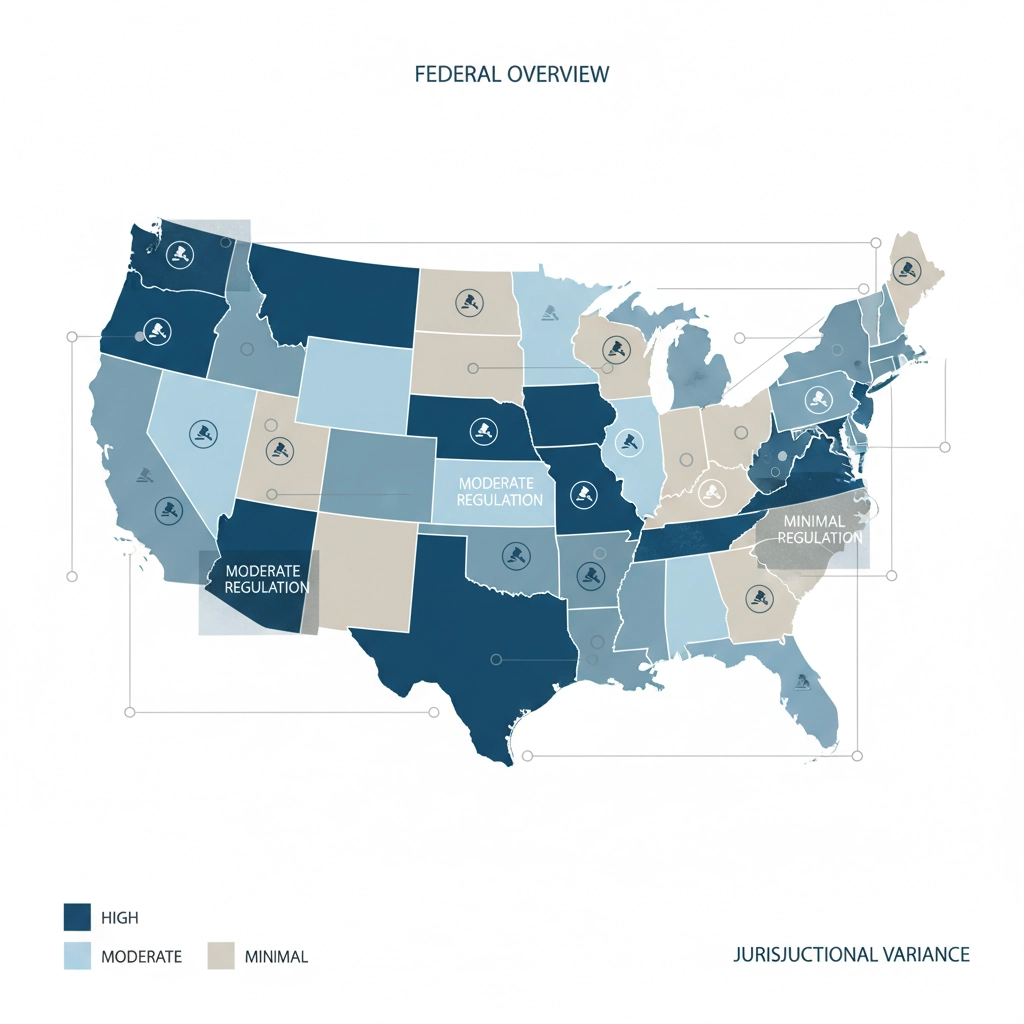
The push to challenge marriage equality isn't limited to federal courts. Ballot initiatives are emerging in Idaho, Nebraska, Virginia, and Arizona that would allow voters to directly determine the fate of marriage equality in the 2026 elections. These state-level campaigns represent another front in the ongoing legal and political battle.
However, these initiatives also present opportunities for marriage equality advocates to demonstrate public support and potentially strengthen protections at the state level. The outcomes of these ballot measures will likely influence national political discussions about LGBTQ+ rights.
Looking Ahead: What This Means for Your Family
While the current challenges to marriage equality are real, they shouldn't cause you to panic about your rights or your family's security. The legal framework protecting same-sex marriage remains robust, with multiple layers of federal protection and broad public support.
If you're planning to marry or recently married, your rights are currently fully protected under federal law. If you're concerned about potential future changes, consider consulting with a family law attorney who can help you understand additional protective measures, such as comprehensive estate planning documents that could provide extra security for your family relationships.
The 2025 Supreme Court challenge represents a significant moment in the ongoing struggle for LGBTQ+ rights, but it's important to remember that the legal and social progress of the past decade has created strong foundations that won't be easily dismantled. With approximately 823,000 married same-sex couples now living in the United States: including 591,000 who married after the 2015 Obergefell decision: the impact of marriage equality extends far beyond legal abstractions.
Your marriage and your family deserve the same legal protections and social recognition as any other family, and understanding both your current rights and the evolving legal landscape empowers you to advocate effectively for your interests and plan confidently for your future.
If you have specific concerns about how changing laws might affect your family situation, don't hesitate to seek professional legal guidance. At Coastal Virginia Law, we're committed to helping families understand their rights and navigate complex legal challenges with confidence and clarity.

Comments