
I-264 vs Shore Drive vs Virginia Beach Blvd: Which Roads Are Most Dangerous for Drivers in 2025?
- brookthibault
- Nov 22, 2025
- 5 min read
If you're driving around Virginia Beach, you've likely traveled these three major thoroughfares countless times. But which one poses the greatest risk to your safety? With 2025 traffic data revealing concerning trends, understanding where accidents happen most frequently can help you stay safer on the road: and know what to do if the unexpected occurs.
The Sobering Reality of Virginia Beach Traffic Safety
Virginia Beach's popularity as both a tourist destination and thriving residential area creates unique traffic challenges. The combination of local commuters, vacationers unfamiliar with the area, and seasonal traffic surges contributes to elevated accident rates across our major roadways.
Recent data shows that certain corridors consistently rank among Hampton Roads' most dangerous, with specific intersections and road segments accounting for disproportionate numbers of crashes, injuries, and fatalities.
I-264: The High-Speed Danger Zone
Interstate 264 serves as the primary gateway to Virginia Beach's Oceanfront, making it one of the most heavily traveled routes in the region. While it efficiently moves large volumes of traffic, this highway presents significant safety challenges.
What Makes I-264 Particularly Hazardous
The most alarming statistic comes from the I-264 and Independence Boulevard intersection, which recorded 94 crashes in 2023 alone, resulting in five fatalities. This intersection represents the most dangerous crash cluster in the entire Hampton Roads region.
Several factors contribute to I-264's elevated risk profile:
Complex lane patterns that require quick decision-making at highway speeds
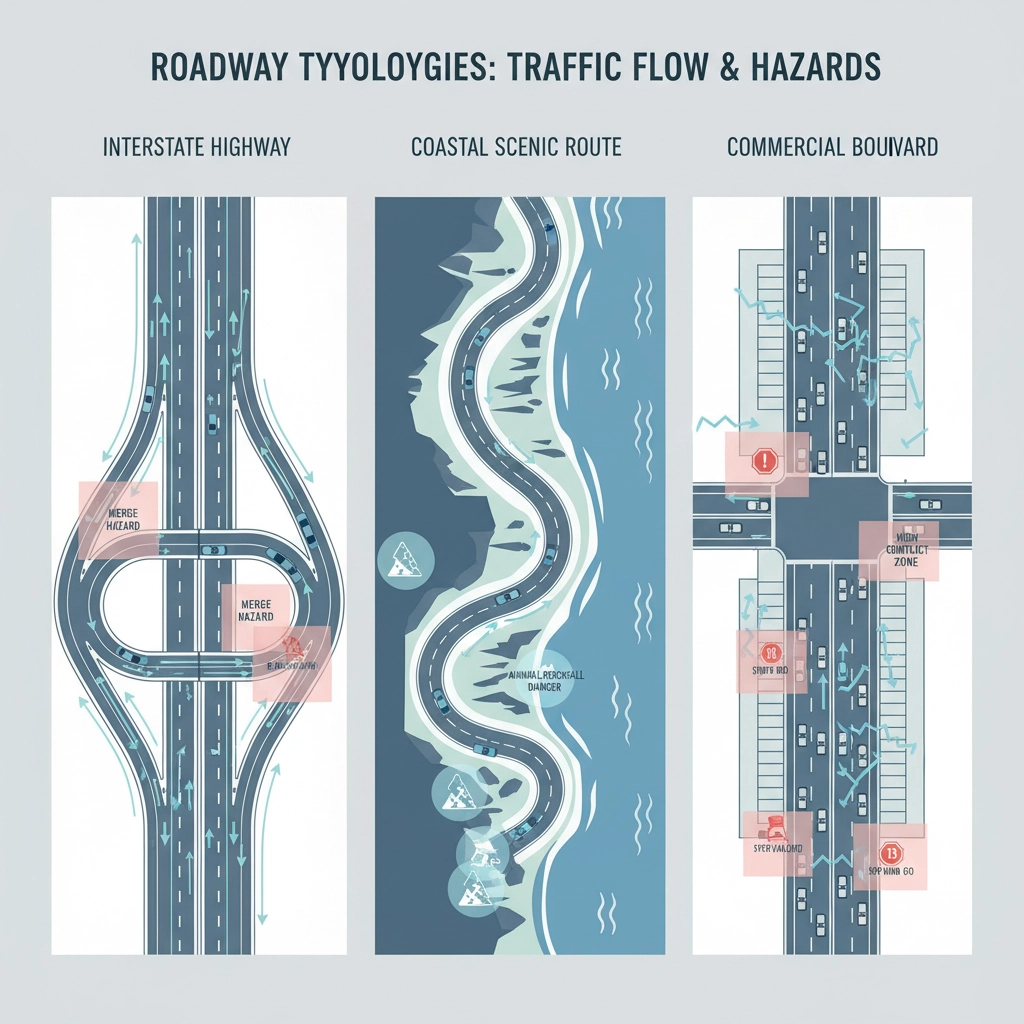
High-speed merging zones where traffic entering from ramps must quickly integrate
Weekend congestion as beachgoers create stop-and-go conditions on what's designed as a high-speed roadway
Poor weather visibility during storms, which can create dangerous conditions for drivers unfamiliar with the route

The highway's design prioritizes traffic flow over safety features, and the results speak for themselves. Exit segments pose particular risks due to sudden lane changes and varying speed limits as traffic transitions from highway to local road conditions.
Shore Drive: Beauty Meets Danger
Shore Drive offers some of Virginia Beach's most scenic views, but this picturesque route harbors serious safety concerns that intensify during tourist season.
The Unique Risks of Shore Drive
Unlike traditional highways, Shore Drive presents a complex mix of traffic types and road conditions that create perfect storm scenarios for accidents:
Tourist vs. Local Traffic Conflicts: Vacationers unfamiliar with the area often drive slowly while sightseeing or searching for destinations, while locals familiar with the route travel at higher speeds. This speed differential increases rear-end collision risks.
Pedestrian Crossings: Multiple beach access points mean pedestrians frequently cross Shore Drive, often unexpectedly and sometimes outside designated crosswalks.
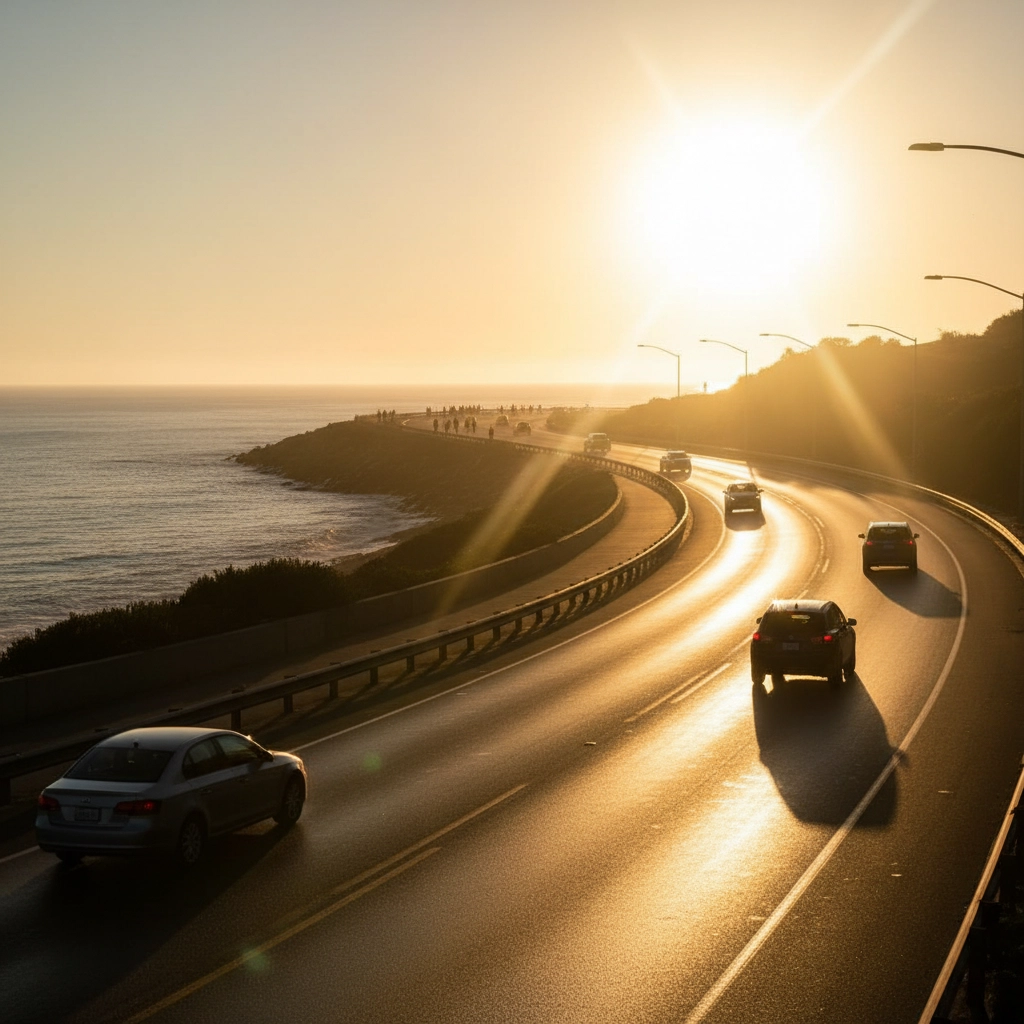
Visibility Challenges: The road's east-west orientation creates severe glare problems during sunrise and sunset hours, significantly reducing visibility. Many sections also lack adequate street lighting for nighttime driving.
Seasonal Traffic Surges: During peak tourist season, traffic volume can increase by 200-300%, overwhelming a road infrastructure designed for much lower capacity.
Statistics indicate that accidents on Shore Drive tend to be more severe than typical urban collisions due to the higher speeds involved and the mix of vehicle types, from motorcycles to large SUVs packed with vacation gear.
Virginia Beach Boulevard: The Intersection Gauntlet
Virginia Beach Boulevard (US-58) represents a different type of danger: consistent risk distributed across numerous high-crash intersections throughout its length.
Multiple Points of Danger
Rather than one extremely dangerous location, Virginia Beach Boulevard presents sustained risk across multiple intersections:
First Colonial Road intersection: 87 total crashes, including 31 involving fatalities or serious injuries
Laurel Lane intersection: 42 crashes
Donna Drive intersection: 35 crashes
North Great Neck Road intersection: 30 crashes
Norfolk Virginia Beach Expressway (I-264) connection: 29 crashes
Why These Intersections Are So Dangerous
The boulevard serves as Virginia Beach's primary east-west commercial corridor, creating several risk factors:
Heavy Commercial Traffic: The concentration of shopping centers, restaurants, and businesses generates constant turning movements and lane changes.
Congestion-Related Aggression: Stop-and-go traffic during rush hours leads to aggressive driving behaviors, including tailgating and unsafe lane changes.
Complex Signal Timing: Multiple closely-spaced traffic lights create scenarios where drivers rush to make signals or become confused about right-of-way rules.
Comparing the Three: A Data-Driven Analysis
Risk Factor | I-264 | Shore Drive | Virginia Beach Blvd |
Deadliest Single Location | Independence Blvd: 94 crashes, 5 deaths | No single extreme hotspot | First Colonial: 87 crashes, 31 serious |
Primary Danger Type | High-speed lane changes | Speed differential + pedestrians | Multiple intersection conflicts |
Peak Risk Times | Weekend beach traffic | Tourist season + sunrise/sunset | Rush hours + shopping periods |
Accident Severity | High (highway speeds) | Very High (mixed traffic types) | Moderate to High (volume-related) |
Weather Impact | Severe (highway speeds + poor visibility) | Moderate (glare issues) | Moderate (congestion worsens) |
Your Road Safety Action Plan
Based on this analysis, here's how you can navigate each road more safely:
For I-264:
Avoid weekend travel during peak beach hours (10 AM - 2 PM, 4 PM - 7 PM)
Maintain extra following distance in construction zones
Exercise extreme caution near the Independence Boulevard area
Use alternate routes during severe weather
For Shore Drive:
Reduce speed during tourist season (Memorial Day through Labor Day)
Avoid travel during sunrise and sunset hours when possible
Watch carefully for pedestrians at all beach access points
Use headlights even during daylight hours to increase visibility
For Virginia Beach Boulevard:
Allow extra travel time to avoid aggressive driving
Approach all major intersections with heightened awareness
Avoid the First Colonial Road area during peak hours
Consider parallel routes like Indian River Road during heavy shopping periods
What to Do After an Accident
Despite your best defensive driving efforts, accidents can still occur on these dangerous roads. Knowing the proper steps to take immediately after a collision can protect your health, your legal rights, and your financial future.
Immediate Steps:
Ensure safety first - Move vehicles out of traffic if possible
Call 911 even for minor-seeming accidents
Document everything - Take photos, exchange information, note road and weather conditions
Seek medical attention - Some injuries don't appear immediately
Contact your insurance company - Report the accident promptly
Protecting Your Legal Rights
Virginia Beach's dangerous roads mean that fault determination can be complex, especially on roads like I-264 where multiple factors contribute to accidents. Having experienced legal representation can make a significant difference in your case outcome.
Don't accept blame or discuss fault at the scene. Even if you think you might have contributed to the accident, factors like poor road design, inadequate signage, or another driver's behavior might be the primary cause.
The Bottom Line: I-264 Takes the Dangerous Crown
While all three roads present significant risks, I-264 earns the designation as Virginia Beach's most dangerous road based on the concentration of severe crashes, particularly the Independence Boulevard intersection's devastating statistics.
However, the "most dangerous" designation depends partly on how you measure risk:
For single-location danger: I-264 at Independence Boulevard
For accident severity: Shore Drive during tourist season
for sustained risk: Virginia Beach Boulevard's multiple problem intersections
The key takeaway isn't to avoid these roads entirely: that's simply not practical for Virginia Beach residents and visitors. Instead, understanding each road's specific dangers allows you to adjust your driving accordingly and stay safer.
Remember, even careful drivers can become victims of others' negligence or poor road conditions. If you're involved in an accident on any of Virginia Beach's dangerous roads, don't navigate the legal complexities alone. Professional legal guidance can help ensure you receive fair compensation and that your rights are protected throughout the process.
Stay alert, drive defensively, and know that help is available if you need it. Your safety and legal protection are worth the extra caution these roads demand.


Comments