
Can You Avoid Paying Alimony in Virginia? Legal Loopholes and Limits
- brookthibault
- Nov 21, 2025
- 5 min read
If you're facing divorce in Virginia, you're probably wondering whether you'll be on the hook for alimony payments. The short answer? While Virginia law doesn't provide a magic bullet to eliminate all spousal support obligations, there are legitimate legal strategies and important limitations that may help you reduce or avoid these payments entirely.
Understanding your options early in the process can make the difference between years of substantial monthly payments and a more manageable outcome that protects your financial future.
Understanding When Alimony Actually Applies in Virginia
Here's something that might surprise you: Virginia law doesn't specify a minimum length of marriage required for alimony eligibility. This means spousal support could theoretically apply even in shorter marriages, though the duration is still a critical factor courts consider.
When evaluating whether to award alimony, Virginia courts examine multiple factors under Virginia Code § 20-107.1, including:
Length of marriage and contributions to the relationship
Each spouse's income, earning capacity, and financial resources
Standard of living established during the marriage
Age, physical and mental health of both parties
Current financial needs and responsibilities
Time and expense needed for education or training to become self-supporting
Tax consequences of the support award
This multifaceted analysis means every case is highly individualized. What works for your neighbor's divorce may not apply to your situation.

Proven Legal Strategies to Limit Your Alimony Obligation
Settlement Negotiations: Your Best Defense
One of the most effective approaches involves reaching a negotiated settlement before your case goes to trial. During these negotiations, your attorney can advocate to either limit your alimony obligation or secure more favorable payment terms.
Well-crafted separation agreements can include specific clauses addressing alimony waivers or limitations. This approach often avoids lengthy court battles while giving you greater control over the outcome. You're not leaving your financial future entirely in a judge's hands.
Demonstrating Limited Financial Capacity
Another powerful strategy involves presenting a clear picture of your actual financial circumstances. Virginia's guidelines for temporary spousal support only apply when the combined monthly gross income doesn't exceed $10,000. Beyond that threshold, courts have significant discretion.
The current pendente lite spousal support guidelines are:
With minor children: 26% of payor's income minus 58% of payee's income
Without minor children: 27% of payor's income minus 50% of payee's income
Your attorney can present evidence of your actual income, necessary expenses, and existing financial obligations to argue for a lower payment amount or no payment at all.
Early Legal Consultation: Timing Matters
Consulting with an experienced family law attorney at the earliest stages of your case is absolutely critical. Early consultation helps you understand your rights and obligations while preventing you from inadvertently agreeing to unfavorable terms.
Your attorney can begin gathering necessary financial documents and formulating a strategic approach tailored to your specific circumstances before you're locked into any agreements.

What Doesn't Work: Costly Mistakes That Will Backfire
Never Hide Assets or Misrepresent Income
This cannot be emphasized enough: attempting to hide assets or misrepresent your income is one of the most damaging approaches you can take. Courts have extensive tools to uncover financial deception, including comprehensive discovery processes and forensic accountants.
If a court discovers intentional misrepresentation, the consequences are severe:
Significant financial penalties
Orders to pay the other party's legal fees
Potential criminal charges for perjury or fraud
Complete loss of credibility that damages your entire case
The short-term benefit of hiding income is never worth these devastating long-term consequences.
Avoiding Required Financial Disclosure
Virginia requires complete financial disclosure during divorce proceedings. This includes tax returns, pay stubs, bank statements, and other financial documents. Attempting to avoid or delay this process will only harm your case and potentially result in court sanctions.
When Alimony Obligations Automatically End
Understanding when alimony terminates can help you plan for your financial future and potentially negotiate better terms upfront. Most spousal support ends automatically upon:
Death of either party
Remarriage of the recipient spouse
Cohabitation of the recipient in a relationship analogous to marriage (in some cases)
Additionally, Virginia law allows for modification or termination when significant life changes occur, such as:
Substantial income loss or employment termination
Disability or serious health issues
Retirement at normal retirement age
Material changes in either party's financial circumstances
If your financial situation changes materially after a support order is issued, you may be able to petition the court for modification or termination.

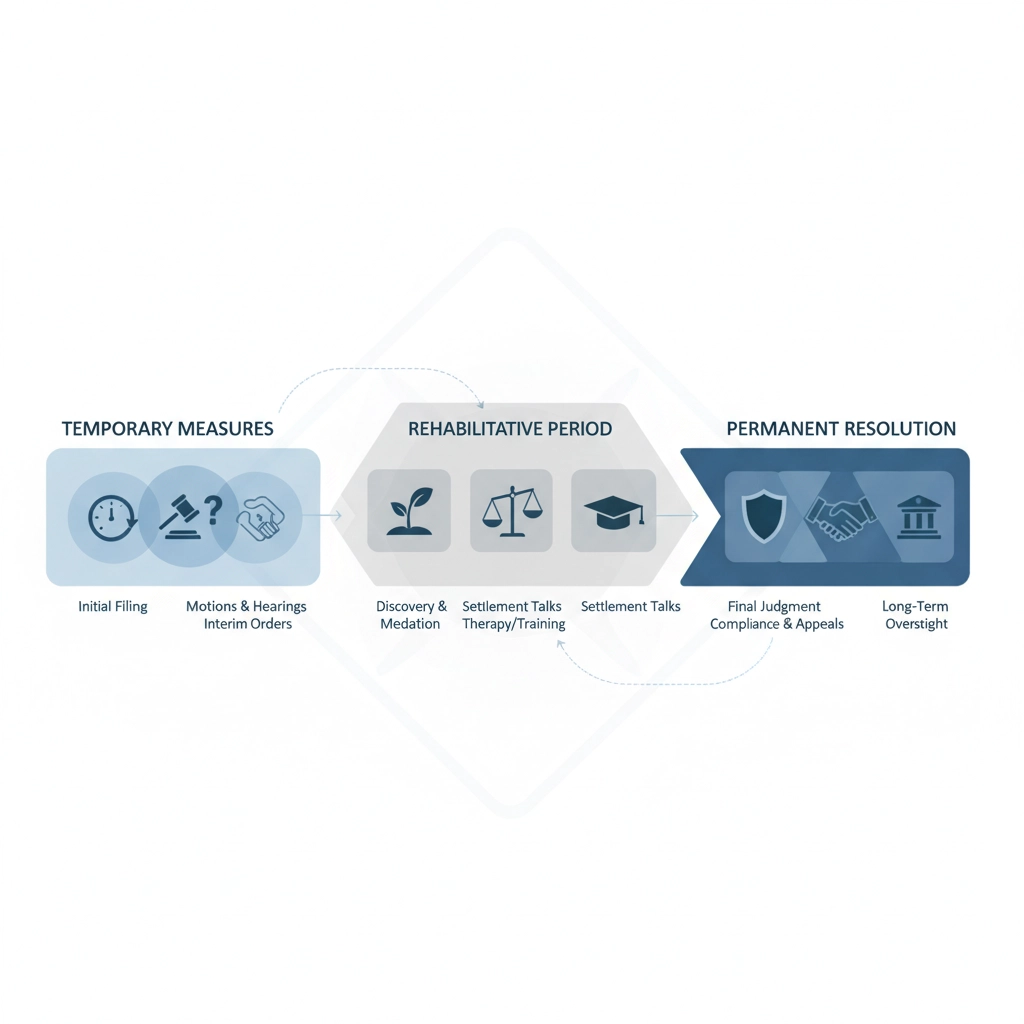
Understanding Virginia's Three Types of Alimony
Virginia recognizes three main types of spousal support, and understanding these distinctions can help you prepare for negotiations:
Temporary Support (Pendente Lite)
This support is awarded during divorce proceedings to maintain the status quo until the final decree. It's typically based on the guidelines mentioned earlier and is temporary by nature.
Rehabilitative Alimony
This is awarded for finite periods while the recipient obtains education, training, or work experience necessary to become self-supporting. If your spouse has strong earning potential with minimal additional training, this may be your best-case scenario.
Durational or Permanent Alimony
Reserved for longer marriages where the recipient spouse cannot reasonably become self-supporting. This is typically the most expensive option and hardest to modify later.
Factors That Work in Your Favor
Several circumstances can strengthen your position against paying alimony:
Short marriage duration: While not automatically disqualifying, shorter marriages typically result in lower or no alimony awards
Similar incomes: When both spouses have comparable earning capacity, alimony becomes less likely
Spouse's education and work experience: If your spouse has marketable skills or recent work experience, courts may expect them to become self-supporting
Marital misconduct: While Virginia is a no-fault divorce state, adultery and other misconduct can still impact alimony decisions
Your spouse's financial resources: If your spouse has significant separate property or other income sources, this may reduce or eliminate alimony
Practical Steps You Can Take Now
Whether you're just considering divorce or already in proceedings, here are actionable steps to protect your interests:
Gather comprehensive financial documentation for both you and your spouse
Consult with an experienced Virginia family law attorney before making any agreements
Consider vocational evaluation of your spouse to assess their earning potential
Explore settlement opportunities early in the process
Document any changes in financial circumstances that occur during proceedings
The Reality Check: When Alimony May Be Unavoidable
Complete avoidance of alimony isn't always possible, especially when there's a significant income disparity or your spouse sacrificed career opportunities for the marriage. However, even in these situations, legitimate strategies exist to minimize your obligations and ensure any award is fair and reasonable.
The key is working with an experienced Virginia family law attorney who understands the statutory factors and can develop a tailored strategy for your circumstances. They can help you navigate the complex legal landscape while protecting your financial future and ensuring the best possible outcome in your specific situation.
Remember, knowledge is power in divorce proceedings. Understanding your options and working with qualified legal counsel puts you in the strongest position to minimize or avoid alimony obligations while moving forward with your life.


Comments