Can Biological Parents Regain Custody? Your Complete Guide to Virginia's New Rights Restoration Laws
- brookthibault
- Nov 6
- 6 min read
The termination of parental rights feels permanent: and in many cases, it is. But Virginia's legal landscape changed significantly on July 1, 2025, when new laws expanded opportunities for biological parents to regain custody under specific circumstances. If you're wondering whether you can restore your parental rights, this comprehensive guide will walk you through everything you need to know about Virginia's updated restoration laws.
Understanding Parental Rights Restoration in Virginia
Parental rights restoration allows a biological parent whose rights were previously terminated to regain legal custody of their child. While this process remains challenging and relatively uncommon, Virginia's 2025 legislative changes created clearer pathways and updated protections that make restoration more accessible in certain situations.
The key thing to understand upfront: you cannot file a petition to restore your own parental rights. Virginia law requires that someone else with a legitimate interest in the case: typically social services or your child's guardian ad litem: must file the petition on your behalf. This safeguard exists to protect children's welfare while still providing opportunities for appropriate reunification.

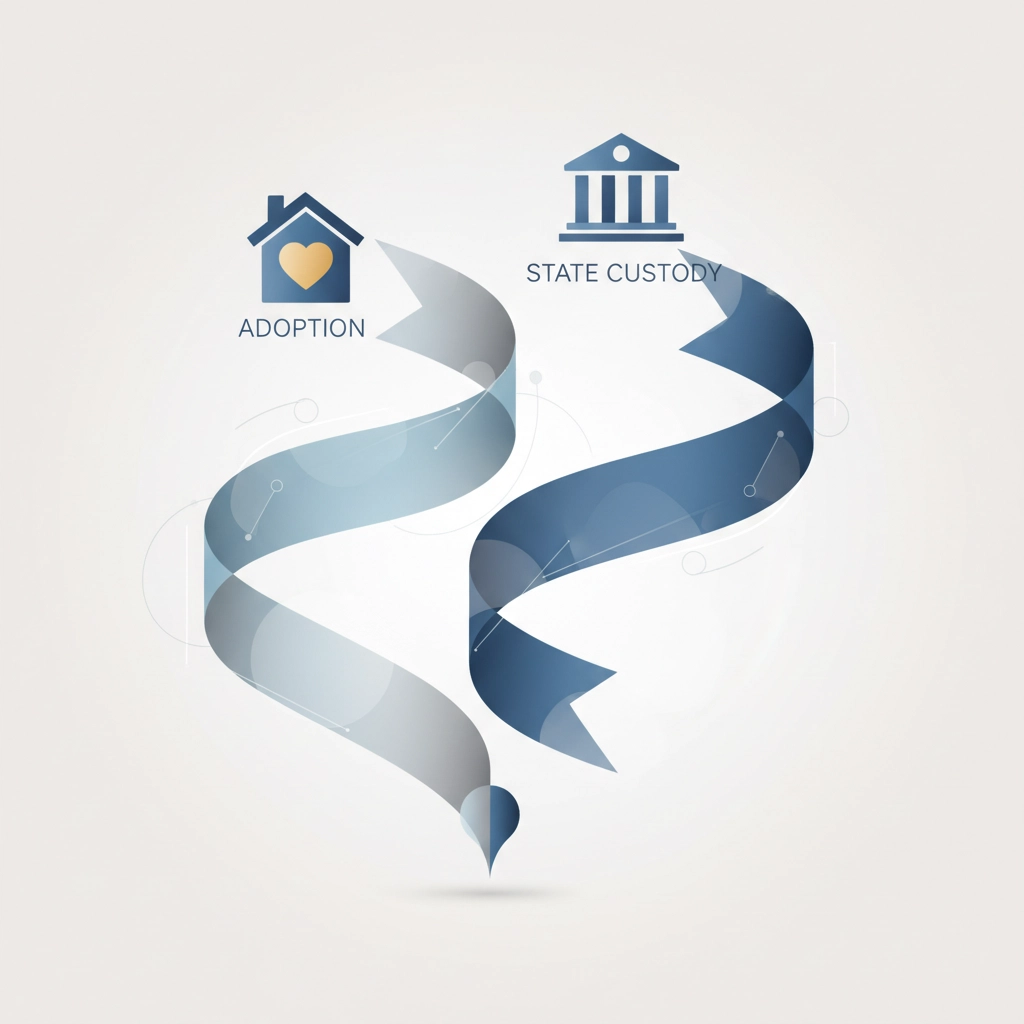
The Two Primary Pathways for Rights Restoration
Virginia's updated laws establish two distinct routes for regaining parental rights, each with specific requirements and processes.
Pathway 1: Restoration When Adoptive Parent Dies or Surrenders Custody
This new pathway, introduced in 2025, applies when your child was adopted but the adoptive parent has either died or is seeking to surrender custody. To qualify for restoration under this pathway, you must meet several strict conditions:
Continuous Relationship Requirement: You must have maintained a positive, continuous relationship with your child since your rights were terminated. This means consistent contact, involvement, and demonstration of ongoing parental interest: not sporadic attempts at reconnection.
Compliance with Post-Adoption Agreements: If any written post-adoption contracts or communication agreements existed, you must have complied with all terms. Courts will scrutinize your adherence to these agreements as evidence of your reliability and commitment.
Mutual Consent: Both you and the person whose rights are being restored must consent to the restoration. This ensures all parties are genuinely committed to the process.
Pathway 2: Restoration When Child Remains in State Custody
This pathway applies to children who were never adopted and remain under the care of Virginia's Department of Social Services. The requirements vary based on your child's age:
For Children 14 and Older: Both you and your child must consent to restoration. Your child must have been previously found to be abused, neglected, delinquent, or in need of services or supervision. Additionally, your parental rights must have been terminated at least two years prior to filing: though courts can waive this requirement if your child will turn 18 before the two-year period expires and restoration serves their best interest.
For Children Under 14: Local social services, working with your child's current legal guardian, can petition for restoration. The specific requirements and process differ for younger children, typically focusing more heavily on your demonstrated rehabilitation and ability to provide safe, stable care.

The Two-Hearing Restoration Process
Virginia uses a structured two-hearing approach that allows courts to evaluate your progress over time before making permanent decisions.
First Hearing: Proving Your Capability
At the initial hearing, you must present substantial evidence demonstrating your capability to care for your child. The court evaluates whether you've addressed the circumstances that originally led to termination and whether restoration would serve your child's best interests.
If the judge finds your evidence compelling, they may grant temporary restoration of your parental rights. This doesn't mean immediate custody: instead, it begins a supervised evaluation period where social services monitors your interactions with your child and assesses your parenting abilities.
Second Hearing: Permanent Decision
Approximately six months after the first hearing, a second hearing determines whether your parental rights can be permanently restored. During this time, you'll work closely with social services, who will provide detailed reports to the court about:
Your consistent demonstration of parenting capabilities
Your child's adjustment to spending time with you
Whether you've maintained stable housing, employment, and lifestyle changes
Your child's own preferences and feelings about the restoration (especially important for older children)
Any concerns about your child's health, safety, or emotional well-being
The court considers all this evidence alongside your formal consent to assume full custody before making the final restoration decision.

Critical Requirements You Must Meet
Success in parental rights restoration requires meeting specific legal standards that courts apply consistently:
Remediation of Original Issues: You must demonstrate that you've successfully addressed whatever circumstances led to the initial termination. Whether those were substance abuse, mental health challenges, domestic violence, neglect, or other issues, courts need clear evidence of sustained improvement and stability.
Best Interest Standard: All decisions center on your child's best interests, not your desires or rights. Courts evaluate your child's physical and emotional needs, their existing attachments, and how restoration might impact their overall well-being.
Stability and Resources: You must show that you can provide stable housing, adequate financial support, and a safe environment. This doesn't require wealth, but it does require demonstrating basic stability and the ability to meet your child's needs.
Time Requirements: Except in exceptional circumstances, your parental rights must have been terminated at least two years before filing for restoration. This waiting period allows for meaningful change and prevents impulsive decisions during crisis periods.
Important Limitations and New Protections
Automatic Disqualifications
Virginia's 2025 laws include crucial protections that automatically disqualify certain individuals from parental rights restoration:
Sexual Violence Protection: If you conceived your child through rape, incest, or carnal knowledge of a minor, you cannot establish or restore parental rights: regardless of whether you were criminally convicted. Civil courts can now apply this restriction based on clear and convincing evidence alone, providing stronger protections for survivors and children.
Ongoing Safety Concerns: Courts will deny restoration if evidence suggests ongoing risks to your child's safety, including patterns of violence, untreated substance abuse, or other circumstances that could endanger your child.

Who Can Actually File the Petition
Understanding who can initiate the restoration process is crucial since you cannot file the petition yourself:
Social Services: Local departments of social services frequently file these petitions, especially when they believe restoration serves a child's best interests and the parent has demonstrated significant positive changes.
Guardian ad Litem: Court-appointed guardians who represent your child's interests can petition for restoration when they believe it's appropriate.
Current Legal Guardian: In some cases, your child's current legal guardian may support and file for restoration.
The reality is that you'll need to work with these entities to demonstrate why restoration benefits your child. This often involves participating in recommended services, maintaining consistent contact (when permitted), and showing genuine commitment to your child's welfare over time.
Taking Action: Your Next Steps
If you believe your situation may qualify for parental rights restoration, here's how to move forward:
Consult with a Virginia Family Law Attorney: Given the complexity and high stakes involved, professional legal guidance is essential. An experienced attorney can evaluate your specific circumstances, advise you on strengthening your case, and help you work with the appropriate parties to file a petition.
Document Your Progress: Begin gathering evidence of positive changes in your life: completion of treatment programs, stable employment history, safe housing, character references, and any other documentation that demonstrates your growth and stability.
Understand the Timeline: Restoration takes time. Between initial consultations, case preparation, the two-hearing process, and supervised evaluation periods, you should expect the process to take at least a year, often longer.
Prepare for Emotional Challenges: This process involves intensive scrutiny of your past mistakes and current lifestyle. Having emotional support through counseling or support groups can help you navigate these challenges while maintaining focus on your child's best interests.

The Reality of Success
Parental rights restoration remains relatively uncommon because courts prioritize child welfare and stability above all else. However, Virginia's updated laws do provide legitimate opportunities for parents who have made genuine, sustained changes and can demonstrate their ability to provide safe, loving care.
Success requires more than good intentions: it demands concrete evidence of transformation, stability, and genuine commitment to your child's well-being. If you can meet these high standards and work effectively with legal professionals and social services, restoration may be possible.
The path isn't easy, but for parents who have truly addressed their past issues and can provide the stability their children need, Virginia's 2025 laws offer hope where none existed before. Your next step should be consulting with a qualified family law attorney who can evaluate your specific situation and guide you through this complex but potentially life-changing process.


Comments